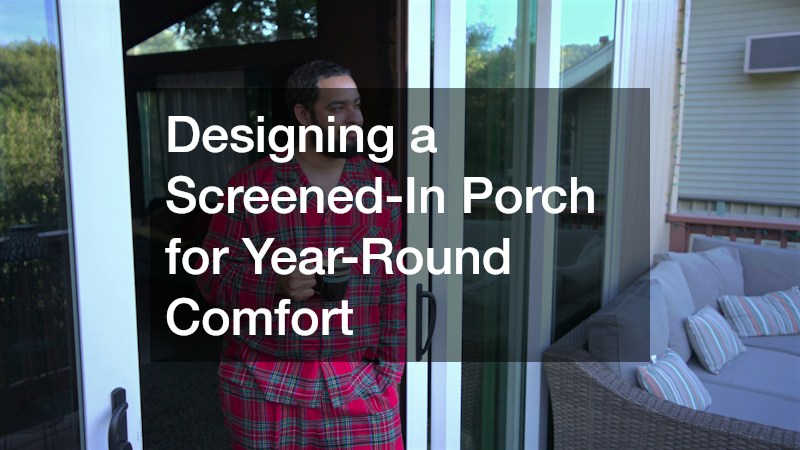
A screened-in porch offers an inviting way to enjoy the outdoors without dealing with every inconvenience that comes with it. From keeping insects away to creating a comfortable place to relax, entertain guests, or spend time with family, this addition can make a home more functional and enjoyable. With thoughtful planning, a screened-in porch can become much more than a seasonal gathering space – it can serve as an extension of the home throughout the year. Here are some tips for homeowners!

Start With a Layout That Supports Everyday Living
Before choosing materials or decorative features, consider how the screened-in porch will be used. A space designed primarily for quiet mornings may need a different layout than one intended for hosting dinner parties or accommodating larger family gatherings. Identifying these priorities early makes it easier to select the right dimensions, furniture, and functional features.
Working with a screen porch company can help homeowners evaluate the available space and determine which design elements will provide the greatest benefits. Professionals can consider the home’s existing architecture, property layout, and outdoor surroundings when developing a plan. They can also help determine the best location for doors, walkways, and screen panels. Think about creating separate areas for different activities. For example, one side of the porch could accommodate a dining table, while another could feature comfortable seating and a small table for drinks or books. Homes with larger porches may have enough room for an outdoor kitchen, entertainment area, or reading nook.
Choose Screens That Balance Visibility and Protection
The screens are among the most important components of a screened-in porch. They determine how effectively the space keeps insects outside while allowing fresh air and natural light to enter. However, not all screen materials offer the same level of durability, visibility, or protection. Fiberglass screening is a popular option because it is flexible, relatively affordable, and resistant to rust and corrosion. Aluminum screening offers another choice, providing durability and a more rigid structure. Homeowners who want additional protection from pets or frequent activity may prefer heavier-duty screen materials designed to withstand greater wear.
Screen mesh size also matters. Standard screening works well for keeping common insects outside, while finer mesh can help reduce the number of smaller insects entering the space. However, finer materials may affect airflow, so homeowners should consider their local climate and ventilation needs. Existing porches may need occasional maintenance to preserve their appearance and functionality. Tears, loose panels, and damaged frames can reduce protection and make the space less enjoyable. A professional rescreening service can replace worn materials, restore damaged sections, and help extend the useful life of the enclosure.
Prepare the Porch for Wind and Severe Weather
Weather protection should be a major part of any year-round porch design. Wind, heavy rain, and storms can place considerable stress on outdoor structures, particularly in coastal areas where changing weather conditions are common. Selecting appropriate materials and planning for severe weather can help protect the investment. Homeowners should consider the durability of the porch framing, fasteners, roofing materials, and screen systems. These components need to work together to provide a stable enclosure. The roof should also be designed to direct rainwater away from the structure, reducing the likelihood of water collecting around the porch or entering the home.
Existing enclosures may require specialized attention when storms or regular exposure cause damage. For properties with covered outdoor living areas, lanai screen repair can address problems such as torn mesh, damaged framing, and loose screen connections. Prompt repairs help restore the enclosure and prevent minor issues from becoming more extensive problems.

Create a Seamless Connection Between Indoor and Outdoor Spaces
A screened-in porch should feel like a natural extension of the home rather than a completely separate structure. Coordinating architectural details, colors, and finishes can help achieve this effect. For homeowners planning a larger renovation, working with a general contractor can help coordinate the different elements involved in creating a comfortable outdoor living area. Construction planning may include structural improvements, electrical work, roofing, flooring, and modifications to existing exterior openings.
Pay attention to the transition between indoor and outdoor flooring. Using complementary colors and materials can create visual continuity, even when the surfaces themselves are different. Similarly, matching trim colors, door styles, and architectural finishes can help the porch blend with the home’s existing appearance. Large openings and appropriately positioned doors can also improve the connection between spaces. Sliding doors, French doors, and other access options allow homeowners to move easily between the interior and porch.
Use Color and Decorative Details to Establish a Relaxing Atmosphere
The appearance of a screened-in porch has a significant effect on how inviting it feels. Color, textures, decorative accents, and natural materials can help establish a particular atmosphere without overwhelming the space. A coastal-inspired design is especially popular for porches because it emphasizes light colors, natural textures, and relaxed furnishings. Soft blues, sandy neutrals, whites, and muted greens can create an environment that feels connected to the outdoors.
For a more distinctive look, homeowners might incorporate coastal theme wallpaper on an accent wall or within a protected decorative area. Patterns featuring subtle botanical designs, seashells, or gentle ocean-inspired colors can introduce personality while complementing the surrounding landscape. Wood accents, woven baskets, textured cushions, and natural-fiber rugs can add warmth. These materials help balance the open appearance of screened walls and make the porch feel more like an interior living space.
Incorporate Plants for a More Natural Environment
Plants can make a screened-in porch feel like a peaceful retreat. They introduce natural color, soften architectural lines, and strengthen the connection between the enclosure and the surrounding yard. Start by evaluating how much sunlight enters the porch throughout the day. Some areas may receive direct morning sunlight, while others remain shaded for most of the day. Understanding these conditions makes it easier to choose plants that will thrive in the available environment.
A visit to a local garden nursery can provide helpful guidance when selecting greenery for the space. Staff can recommend plants suited to the local climate, lighting conditions, and container sizes. They may also suggest varieties that work well in covered outdoor environments. Consider combining several types of plants to create visual interest. Tall potted plants can frame seating areas, while smaller containers can decorate tables and shelves. Hanging baskets are another option when floor space is limited.

Make Temperature Control Part of the Design
One of the biggest challenges associated with year-round porch use is maintaining a comfortable temperature. Screened walls allow natural airflow, but they do not provide the same insulation as traditional exterior walls. As a result, the porch may become warm during summer afternoons or chilly when temperatures fall. Ceiling fans are an effective way to improve air circulation. During warmer months, they can help create a cooling breeze that makes the space more enjoyable. Multiple fans may be appropriate for larger porches, provided they are correctly sized and installed for the ceiling height.
For cooler conditions, homeowners can explore several heating options. Electric radiant heaters, infrared heating units, and generator installation may provide additional warmth. The best choice depends on the porch’s size, electrical capacity, ceiling configuration, and intended use. Consulting a qualified heating service can help determine which system is appropriate for the space. Professional guidance is particularly important when evaluating electrical requirements, equipment placement, and safe operating distances from furniture or other materials.
Select Flooring That Can Handle Changing Conditions
Flooring plays an important role in both the appearance and functionality of a screened-in porch. Because the area is exposed to more environmental changes than a typical interior room, the surface needs to be durable, easy to maintain, and comfortable underfoot. Porcelain tile is one option worth considering. It is available in numerous colors and patterns, resists moisture, and can provide a clean, polished appearance. Some products are designed to resemble natural stone or wood, offering additional design flexibility.
Composite decking is another popular choice. It can provide the appearance of traditional wood while reducing some of the maintenance associated with natural lumber. Proper installation and drainage remain important for long-term performance. Concrete flooring may also be suitable, particularly for porches that prioritize durability. Decorative finishes, stains, and textured treatments can help create a more attractive surface while maintaining the strength of the underlying material.
Furniture and fabric selections should coordinate with the flooring. A visit to a local carpet store can provide ideas for outdoor rugs, weather-resistant textures, and complementary colors. Choosing products designed for outdoor use is important because ordinary interior textiles may not hold up well when exposed to humidity and temperature fluctuations.
Plan for Reliable Electricity and Evening Enjoyment
Electrical planning can make a screened-in porch more functional throughout the year. Lighting, fans, heating equipment, entertainment systems, and small appliances may all require convenient access to power. Start by identifying the features the porch will include. A dining-focused space may need outlets for occasional appliances, while an entertainment area could require additional connections for televisions, speakers, or other electronics.
Lighting should be layered to support different activities. Overhead fixtures provide general illumination, while wall lighting and smaller accent fixtures can create a more relaxing atmosphere. Dimmer controls may offer additional flexibility when transitioning from daytime activities to evening gatherings. Outdoor-rated electrical components are essential. Outlets, switches, fixtures, and wiring must be appropriate for their installation environment. A qualified electrician can determine the necessary protections and ensure that electrical work follows applicable building codes.
Consider Motorized Screens for Greater Flexibility
Traditional fixed screens are effective for everyday use, but homeowners may want additional flexibility when weather conditions or outdoor activities change. Motorized screen systems provide an option for adjusting the enclosure as needed. These systems allow screens to retract or extend, making it possible to open the porch more fully when desired. They can be especially useful for homeowners who want an unobstructed view or additional airflow during pleasant weather.
Some systems are designed to provide protection from insects, sunlight, and wind when extended. Their specific capabilities depend on the screen material, track configuration, and product design. For properties exposed to strong coastal winds and severe weather, hurricane motorized screens may be worth discussing with a qualified installation professional. Homeowners should verify applicable impact ratings, wind-load specifications, certifications, and installation requirements rather than assuming every motorized system provides hurricane protection.
Add Furniture That Encourages Comfort and Relaxation
Furniture choices can determine whether a screened-in porch becomes a frequently used gathering area or simply an attractive addition that receives occasional attention. Comfort, durability, and practical arrangement should all influence purchasing decisions. Outdoor sofas and lounge chairs are suitable for homeowners who want a place to relax. Cushioned seating can provide a more residential feel, while woven or metal frames offer different aesthetic options.
For dining, choose a table that accommodates the household’s typical needs without taking up too much room. Extendable tables may provide additional flexibility when entertaining guests. Material selection is especially important. Aluminum, treated wood, resin wicker, and certain outdoor-rated composite materials can offer durability in covered outdoor spaces. Cushions and upholstery should also be designed to withstand humidity and occasional moisture.
Maintain the Porch to Preserve Year-Round Comfort
A well-designed porch still requires regular attention to remain attractive and functional. Routine maintenance can help identify small problems before they interfere with everyday use. Inspect screen panels periodically for tears, loose edges, or signs of wear. Check doors and tracks to ensure they open and close smoothly. Frames, fasteners, and support structures should also be examined for damage or deterioration.
Keep gutters and drainage systems clear so rainwater can move away from the porch. Leaves, dirt, and other debris should be removed from flooring and corners before they accumulate. Furniture and decorative accessories benefit from occasional cleaning. Follow product care instructions when maintaining cushions, rugs, flooring, and other finishes. Fans, lighting fixtures, and heating equipment should also receive appropriate inspections.
A screened-in porch can provide valuable living space while allowing homeowners to enjoy fresh air and views of the surrounding landscape. With careful planning and professional installation where needed, a screened-in porch can become a welcoming place to relax, entertain, and appreciate the outdoors in every season.