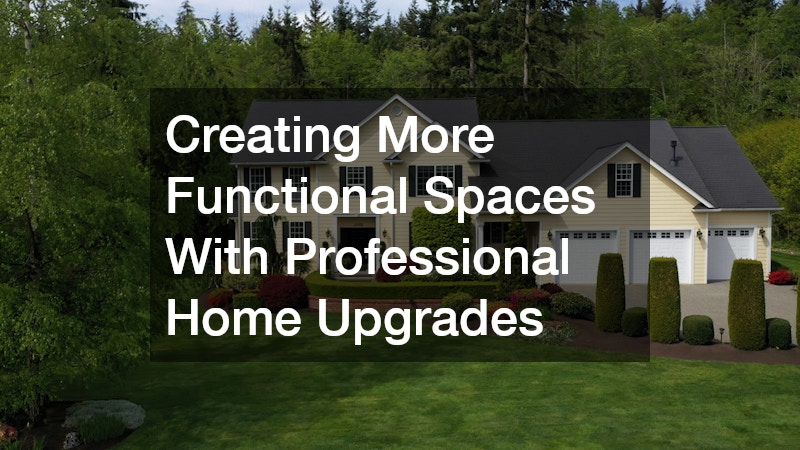
A home should support the way people live every day. Functional spaces make routines easier, reduce stress, improve organization, and help homeowners get more value from every square foot. While style and visual appeal remain important, many homeowners are now prioritizing upgrades that improve comfort, efficiency, storage, and flexibility.
Over time, homes can begin to feel less practical as families grow, work habits change, and storage needs increase. Rooms that once served a clear purpose may no longer function efficiently. Kitchens become overcrowded, storage areas overflow, and outdated layouts create unnecessary frustration during everyday activities. Strategic upgrades can solve these problems while also improving property value and long-term livability.
Professional improvements allow homeowners to reimagine their spaces in ways that better align with modern lifestyles. Whether the goal is improving organization, increasing natural light, updating surfaces, or expanding living areas, thoughtful renovations can dramatically enhance the way a home functions. The key is focusing on upgrades that balance practicality, durability, and design rather than chasing short-term trends.
The following guide explores effective ways homeowners can create more functional living spaces through strategic upgrades and professional renovation solutions.
Evaluate How Each Space Is Actually Being Used
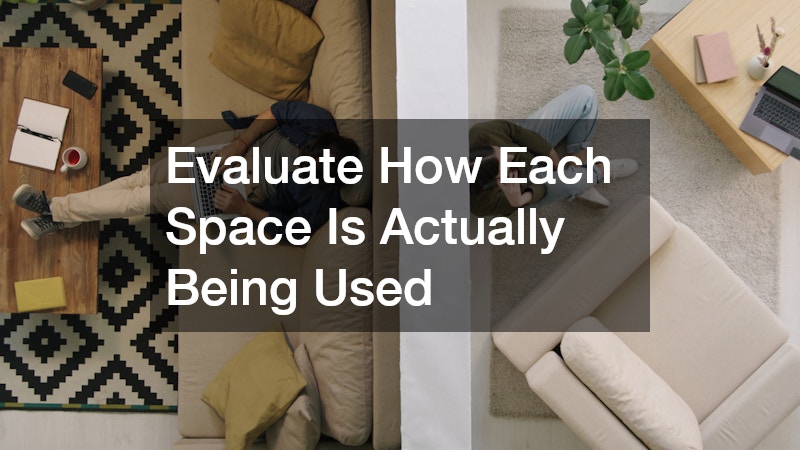
One of the most important steps in improving functionality is understanding how the home currently operates. Many homeowners live with inefficient layouts for years without recognizing how much space is being wasted.
Rooms often evolve over time. A formal dining room may become unused, spare bedrooms may turn into storage areas, and clutter can slowly consume spaces intended for relaxation or productivity. Before starting renovations, homeowners should carefully assess which areas of the home no longer support their daily routines.
Professional home remodeling projects often begin with evaluating traffic flow, storage limitations, lighting conditions, and room versatility. Identifying these issues early helps homeowners prioritize upgrades that deliver the greatest long-term impact.
Questions homeowners should ask include:
- Which rooms feel overcrowded?
- Where does clutter accumulate most often?
- Are there areas that rarely get used?
- Which spaces create frustration during daily routines?
- Does the current layout support work, entertaining, and family activities?
- Are storage limitations affecting functionality?
In many homes, simple layout changes can significantly improve usability. Removing non-load-bearing walls, widening walkways, or improving transitions between rooms can create more open and adaptable spaces.
A successful home remodeling strategy focuses on both current and future needs. Homeowners planning to stay in their homes long term should consider how their lifestyle may evolve over time. Flexible spaces that can adapt to changing needs often provide the best long-term value.
In some cases, improving functionality may require additional square footage. A carefully planned home addition can provide much-needed space for growing families, home offices, guest accommodations, or expanded living areas.
Popular expansion ideas include:
- Sunrooms
- Second-story additions
- Expanded kitchens
- Mudrooms
- In-law suites
- Dedicated office spaces
The most effective home addition projects blend seamlessly with the original structure while improving flow and usability throughout the property. Careful planning helps ensure the added space feels integrated rather than disconnected from the rest of the home.
Improve Organization With Smarter Storage Solutions
Storage is one of the biggest contributors to functionality in any home. Even large homes can feel cramped and disorganized when storage systems are inefficient or poorly designed.
Built-in storage solutions help maximize available space while reducing visual clutter. Unlike generic shelving or standalone furniture, customized storage can be designed specifically around a homeowner’s habits and routines.
Custom cabinets are especially valuable in kitchens, bathrooms, laundry rooms, mudrooms, and home offices where organization directly impacts daily efficiency. Proper cabinet layouts improve accessibility and reduce wasted space.
Well-designed storage systems should prioritize:
- Easy access to frequently used items
- Adjustable shelving options
- Efficient corner storage
- Vertical space utilization
- Hidden storage for less attractive items
- Durable materials that withstand heavy use
In kitchens, pull-out shelves, deep drawers, and pantry organizers help streamline meal preparation and cleanup. Bathroom storage improvements can eliminate countertop clutter while creating more usable space for toiletries and linens.
Custom cabinets also provide flexibility for unique household needs. Families with children, pet owners, remote workers, and homeowners with specialized hobbies often benefit from storage systems tailored to their routines.
Smaller rooms require especially careful planning. Limited square footage can still function efficiently when homeowners focus on multifunctional design strategies.
Helpful approaches for maximizing compact spaces include:
- Installing wall-mounted shelving
- Using under-bed storage
- Incorporating fold-away furniture
- Choosing furniture with built-in storage
- Adding closet organization systems
- Using vertical cabinets to maximize height
Reducing clutter improves more than just appearance. Organized spaces often feel calmer, easier to clean, and more enjoyable to use on a daily basis.
Refresh Walls and Surfaces for Better Comfort and Visual Flow
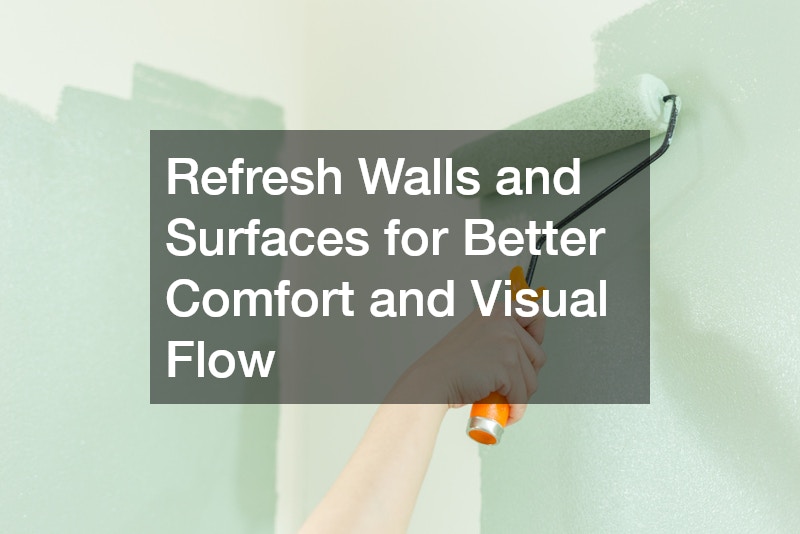
Walls and surface finishes influence how spacious, bright, and welcoming a home feels. Outdated colors, damaged drywall, and worn finishes can make otherwise functional rooms feel smaller or less comfortable.
Professional house painters often help homeowners select finishes that improve both durability and aesthetics. Paint quality, preparation techniques, and application methods all affect how long surfaces remain attractive under daily wear.
High-traffic areas such as hallways, kitchens, entryways, and children’s rooms benefit from washable finishes that resist scuffs and moisture damage. Matte finishes may look elegant in low-traffic areas, while satin or semi-gloss paints often perform better in busy spaces.
Proper preparation is critical before painting begins. Painting contractors typically spend significant time repairing imperfections, sanding surfaces, and applying primer to ensure smooth, long-lasting results.
Homeowners should evaluate several factors before starting interior painting projects:
- Lighting conditions in each room
- Existing flooring and cabinetry colors
- Desired room atmosphere
- Moisture exposure
- Ease of maintenance
- Long-term color flexibility
Color selection also affects the perceived size and functionality of a room. Lighter shades often make smaller spaces feel larger and brighter, while darker tones can create warmth and depth in larger areas.
Professional painting services can also help homeowners create visual consistency throughout the home. Coordinated color palettes improve flow between rooms and create a more cohesive appearance.
Accent walls, trim updates, and ceiling colors may further enhance functionality by defining spaces or improving visual balance. In open-concept homes, strategic color transitions help separate living areas without adding physical barriers.
Additional ways paint improves functionality include:
- Increasing brightness in low-light rooms
- Highlighting architectural features
- Concealing surface imperfections
- Improving mood and comfort
- Creating cleaner-looking interiors
Simple surface upgrades often provide significant visual improvement without requiring major structural renovations.
Choose Flooring That Supports Everyday Living
Flooring plays a major role in comfort, durability, maintenance requirements, and overall functionality. The wrong flooring material can create constant maintenance challenges, wear prematurely, or fail to meet the demands of the household.
Visiting flooring stores allows homeowners to compare materials in person and better understand differences in texture, durability, and maintenance needs. Flooring should always be selected based on how each room is used rather than appearance alone.
Families with children or pets often prioritize scratch resistance and easy cleaning, while homeowners focused on long-term value may prefer natural materials with greater longevity.
Hardwood flooring remains one of the most popular options because of its durability, timeless appearance, and ability to complement a wide range of interior styles. Properly maintained hardwood surfaces can last for decades while improving resale value.
Benefits of hardwood flooring include:
- Long lifespan
- Easy cleaning
- Improved indoor air quality
- Timeless visual appeal
- Compatibility with many design styles
- Ability to refinish surfaces over time
However, not all flooring materials work well in every environment. Kitchens, bathrooms, and basements often require moisture-resistant surfaces that withstand humidity and spills more effectively.
Homeowners should evaluate:
- Moisture exposure
- Foot traffic levels
- Cleaning requirements
- Sound absorption
- Comfort underfoot
- Long-term maintenance costs
Flooring transitions between rooms should also be carefully planned to maintain smooth traffic flow and visual continuity throughout the home.
Selecting the right flooring is about balancing aesthetics with practicality. Durable, well-chosen surfaces contribute significantly to long-term comfort and usability.
Restore Existing Surfaces Before Replacing Them
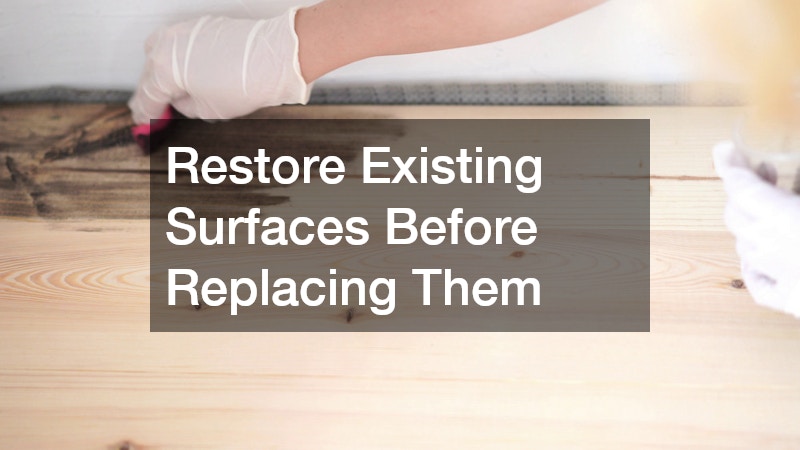
Not every flooring upgrade requires complete replacement. In many homes, existing wood floors can be restored to like-new condition through professional refinishing techniques.
Floor refinishing helps eliminate scratches, discoloration, dullness, and surface wear while preserving the original character of the flooring. This approach is often more affordable than full replacement and reduces material waste.
Signs that floors may be good candidates for refinishing include:
- Surface scratches
- Minor dents
- Dull appearance
- Fading from sunlight
- Worn protective coatings
- Discoloration from age
Modern refinishing methods often include dust containment systems that minimize disruption during the project. Homeowners can also choose updated stain colors and protective finishes that better suit their current design preferences.
Refinishing extends the lifespan of wood floors while improving the overall appearance of the home. Proper maintenance after restoration is essential to preserving results.
Helpful maintenance habits include:
- Using protective furniture pads
- Cleaning spills quickly
- Avoiding harsh chemical cleaners
- Maintaining indoor humidity levels
- Sweeping regularly to remove abrasive debris
When replacement becomes necessary, professional flooring installation ensures new surfaces perform properly over the long term. Improper installation can lead to squeaking, shifting, moisture damage, and premature wear.
Subfloor preparation is one of the most critical aspects of flooring installation. Uneven or damaged subfloors may compromise the appearance and stability of the finished surface.
Professional installers also help homeowners choose the most appropriate installation methods based on the flooring material and room conditions. Nail-down, glue-down, and floating systems each offer different benefits depending on the project.
Investing in proper installation reduces future repair costs and improves the overall performance of the flooring system.
Create More Efficient Kitchens and Bathrooms
Kitchens and bathrooms are among the most heavily used areas in any home, making functionality especially important in these spaces. Poor layouts, inadequate storage, and outdated fixtures can quickly create frustration during everyday routines.
In kitchens, workflow should remain the top priority. Efficient layouts minimize unnecessary movement between cooking, cleaning, and storage areas. The placement of sinks, appliances, countertops, and storage should support smooth daily operation.
Homeowners often improve kitchen functionality by:
- Expanding counter space
- Adding pantry storage
- Improving task lighting
- Upgrading cabinet organization
- Increasing seating flexibility
- Enhancing traffic flow
Bathroom upgrades should also prioritize convenience and organization. Storage limitations are common in older bathrooms, leading to cluttered countertops and overcrowded cabinets.
Functional bathroom improvements may include:
- Installing double vanities
- Adding recessed shelving
- Improving ventilation systems
- Upgrading lighting
- Increasing linen storage
- Improving shower accessibility
Material selection is equally important in both spaces. Durable, moisture-resistant finishes reduce maintenance demands and improve long-term performance.
Lighting has a particularly strong impact on functionality. Poor lighting makes kitchens and bathrooms feel smaller while reducing visibility during tasks such as cooking, grooming, and cleaning.
Layered lighting systems that combine ambient, task, and accent lighting help create brighter, more comfortable environments.
Design Flexible Living Spaces for Changing Needs
Modern households often require rooms to serve multiple purposes. Living spaces that can adapt to changing routines provide greater long-term functionality and reduce the need for future renovations.
Living rooms, guest rooms, and bonus spaces can often be redesigned to accommodate entertainment, work, exercise, and relaxation simultaneously.
Flexible design strategies include:
- Modular furniture arrangements
- Built-in storage seating
- Sliding partitions
- Fold-away desks
- Multipurpose lighting systems
- Convertible guest accommodations
Open-concept layouts remain popular because they improve visibility and traffic flow while allowing spaces to adapt more easily to different activities.
However, functionality should always outweigh trends. Large open spaces may require careful furniture placement and acoustic planning to prevent noise and clutter from becoming overwhelming.
Bedrooms also benefit from intentional organization strategies. A relaxing bedroom should minimize distractions and maximize usable storage.
Helpful bedroom upgrades include:
- Closet organization systems
- Integrated nightstand storage
- Improved blackout window treatments
- Under-bed storage solutions
- Wall-mounted lighting
- Built-in shelving
Creating adaptable spaces allows homeowners to respond more easily to future lifestyle changes without major structural modifications.
Improve Comfort Through Energy-Efficient Upgrades
Functional homes should also support comfort and energy efficiency. Poor insulation, outdated windows, and inefficient materials can reduce comfort while increasing monthly utility costs.
Energy-conscious renovations often improve indoor temperatures, airflow, and lighting conditions simultaneously.
Helpful efficiency upgrades include:
- Installing insulated windows
- Improving attic insulation
- Replacing drafty doors
- Upgrading ventilation systems
- Using energy-efficient lighting
- Selecting insulated flooring materials
Natural light is another important component of functionality. Bright interiors typically feel larger, cleaner, and more inviting. Strategic window placement and reflective surfaces help maximize available daylight.
Ventilation improvements are equally important. Proper airflow reduces humidity buildup, improves indoor air quality, and creates healthier living environments.
Homeowners should also consider long-term maintenance when selecting renovation materials. Durable products that resist wear and require minimal upkeep often provide better value over time.
Conclusion
Creating more functional living spaces involves much more than cosmetic improvements. Effective upgrades improve the way homeowners interact with their environment every day by enhancing comfort, organization, efficiency, and adaptability.
Thoughtful renovations can transform underused rooms, simplify routines, improve storage, and create healthier living conditions throughout the home. From better layouts and durable materials to improved lighting and flexible design solutions, strategic upgrades help maximize both usability and long-term property value.
The most successful projects focus on balancing aesthetics with practicality while considering the evolving needs of the household. With careful planning and professional guidance, homeowners can create spaces that not only look better but also function more effectively for years to come.