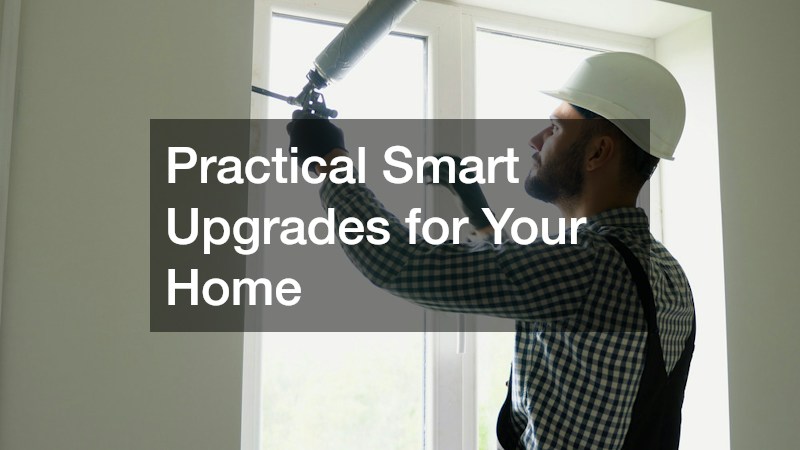
A home doesn’t need a complete renovation to feel more comfortable, efficient, and functional. In many cases, a few carefully selected improvements can address everyday frustrations while also helping protect the property for years to come. Smart home upgrades can range from exterior maintenance and energy-efficient improvements to updates that make indoor spaces brighter, safer, and more comfortable.
When deciding which projects to tackle, it helps to consider how each improvement supports the way you use your home. Some upgrades focus on protecting the structure from weather, while others can improve natural light, temperature control, energy use, or access to outdoor areas. Taking care of smaller issues before they become larger problems can also help homeowners avoid unnecessary repair costs.
The age and condition of a home can influence which projects deserve attention first. Older homes, for example, might benefit from improvements to exterior materials, windows, roofing, electrical components, or climate-control equipment. Meanwhile, newer homes can still benefit from targeted updates that improve appearance, comfort, and functionality.
Whether you’re planning several projects at once or starting with one area of the house, it’s useful to focus on improvements that provide practical benefits. The following upgrades can help address common household needs while adding value and convenience to everyday living.
Refresh Your Home’s Exterior With Needed Repairs

The exterior of a home is exposed to rain, wind, sunlight, snow, and changing temperatures throughout the year. Over time, this exposure can cause materials to crack, loosen, fade, or deteriorate. Addressing exterior problems promptly can help prevent moisture from reaching areas behind the exterior surface.
Siding repairs can address issues such as cracked panels, loose sections, holes, or areas damaged by weather. Depending on the material and extent of the damage, a professional might repair individual sections rather than replacing the entire exterior. This approach can provide a practical solution when most of the siding remains in good condition.
Exterior maintenance can also improve the appearance of a property. Damaged or missing siding can make a home look neglected, even when the rest of the property is well maintained. Repairing visible damage can give the exterior a cleaner appearance while helping protect the underlying structure.
Create a More Inviting Connection to Your Outdoor Space
Outdoor living areas can become an extension of a home’s usable space, particularly during pleasant weather. The right entry point can make it easier to move between indoor and outdoor areas while bringing more natural light into rooms near the exterior.
When selecting doors for a patio, homeowners can consider factors such as available wall space, operation, glass area, energy efficiency, and overall style. Sliding doors can work well when space is limited because they don’t require a large swing area. Hinged options can provide a traditional appearance and may be appropriate for certain layouts.
The condition of an existing patio entry should also be considered. Drafts, sticking, damaged frames, or deteriorated seals can indicate that an older door is no longer performing as it should. Replacing a worn entry can improve the appearance of the room while creating a smoother transition to an outdoor space.
Improve Comfort and Efficiency With Updated Windows
Windows influence more than the amount of daylight that enters a home. They can affect indoor temperature, ventilation, exterior appearance, and how comfortable rooms feel throughout the year. Older windows with worn seals or damaged frames can also allow air to enter or escape around the edges.
Window replacement can provide an opportunity to update both the appearance and performance of a home. Modern window designs are available in a variety of materials, styles, glass configurations, and operating types. Homeowners can select options based on the room, architectural style, and desired level of ventilation.
Signs that windows deserve attention can include condensation between panes, noticeable drafts, difficulty opening or closing them, damaged frames, or deteriorated seals. Replacing windows when these issues become persistent can help address problems before they contribute to additional moisture or comfort concerns.
New windows can also change how a room looks and feels. Larger glass areas can provide more natural light, while updated frames can create a cleaner appearance from both inside and outside the home.
Protect Your Home With a New Roofing System

The roof is one of the home’s primary defenses against rain, snow, wind, and other weather conditions. Because roofing materials are continuously exposed to the elements, they eventually wear down and require attention.
Roofing replacement can be appropriate when a roof has widespread deterioration or has reached the later portion of its expected service life. Common signs of roof problems include missing or damaged shingles, visible wear, recurring leaks, sagging areas, and deteriorated flashing.
A roofing project also provides an opportunity to address related components beneath the visible surface. Proper ventilation, underlayment, flashing, and drainage all contribute to the performance of the overall roofing system.
Homeowners considering a new roof should look beyond appearance alone. Material selection, local weather conditions, roof design, ventilation, and installation requirements can all influence the long-term performance of the finished system. A professional assessment can help identify the condition of the existing roof and determine which improvements are appropriate.
Brighten Interior Spaces With a New Skylight
Natural light can make interior spaces feel more open and inviting. In rooms where traditional windows provide limited daylight, a skylight can introduce sunlight from above while creating a distinctive architectural feature.
Skylight replacement can be useful when an existing unit has developed leaks, damaged glazing, deteriorated seals, or other signs of aging. Replacing an older skylight can also provide an opportunity to select a design that better suits the room and the home’s current needs.
Placement is an important consideration when adding or replacing a skylight. The amount of sunlight a room receives can vary depending on the direction the skylight faces, the roof’s slope, nearby structures, and seasonal conditions. Homeowners should also consider how the opening will affect indoor temperatures and glare.
A properly installed skylight should be integrated with the surrounding roofing system to help protect against water intrusion. Because the installation involves both the roof and interior structure, professional planning and installation can help address the details involved with the project.
Find a Reliable Source for Windows and Doors
Windows and exterior doors play an important part in a home’s appearance, security, comfort, and energy performance. When several openings need attention, working with a single source for related products can simplify the process of comparing options and coordinating installation.
A window and door company can help homeowners evaluate different styles, materials, glass options, hardware, and configurations. Depending on the property, available choices could include double-hung windows, casement windows, sliding doors, hinged doors, and other designs.
Homeowners should consider more than the appearance of a product when comparing options. Measurements, frame construction, glass performance, weather sealing, installation requirements, and maintenance needs can all affect how a window or door performs after installation.
It can also be helpful to review the company’s experience with similar projects and ask about warranties, installation practices, and product specifications. Having these details before work begins can make it easier to compare options and select improvements that fit the home’s design and practical needs.
Give Your Home Lasting Protection With a New Roof

Replacing a roof is a significant home improvement, so homeowners should take time to evaluate the condition of the existing system before deciding how to proceed. A roof that has isolated damage might require repairs, while widespread deterioration can point toward a larger replacement project.
A roof replacement involves more than installing new shingles or another visible roofing material. The condition of the roof deck, flashing, ventilation, underlayment, and drainage components can all affect the finished system. Addressing these elements during the project can help support the performance of the new roof.
Material selection is another important consideration. Asphalt shingles are common, but homeowners can also explore other roofing materials depending on the home’s design, budget, structural requirements, and local conditions.
Before the project begins, homeowners should discuss the expected scope of work, materials, removal of existing roofing, ventilation, cleanup, and warranty coverage. A detailed project plan can make the process easier to understand and help prevent unexpected changes during installation.
Keep Your Roof in Good Condition With Professional Care
Not every roofing concern requires complete replacement. Routine inspections and timely maintenance can help identify smaller issues before they develop into larger problems. Regular attention is particularly useful after severe weather events that can damage shingles, flashing, vents, and other components.
Professional roofing services can include inspections, maintenance, repairs, leak detection, and other work related to the roofing system. The appropriate service depends on the roof’s age, material, condition, and the nature of the problem.
Homeowners should pay attention to warning signs such as water stains on ceilings, missing shingles, damaged flashing, excessive granule accumulation in gutters, or areas where the roof appears uneven. Some problems aren’t visible from the ground, which is one reason periodic professional inspections can be useful.
Keeping records of inspections and completed work can also help homeowners track the roof’s condition over time. This information can be valuable when planning future maintenance or determining whether a larger project is becoming necessary.
Improve Indoor Comfort With Better Climate Control
Temperature control has a major effect on how comfortable a home feels throughout the year. An aging or poorly functioning heating and cooling system can contribute to uneven temperatures, frequent cycling, unusual noises, rising energy use, or repeated service calls.
An HVAC contractor can assess the condition and performance of heating and cooling equipment and identify potential improvements. Depending on the home, options could include equipment repairs, replacement, improved ventilation, thermostat upgrades, or adjustments to the distribution system.
Homeowners should also consider the size of the equipment when planning an upgrade. A system that is too large or too small for the property can affect performance and efficiency. A professional evaluation can help determine the appropriate equipment based on factors such as home size, insulation, windows, and existing ductwork.
Regular maintenance is another important part of climate-control care. Replacing filters, keeping outdoor equipment clear of debris, and scheduling professional service can help maintain system performance and identify potential concerns before they interfere with comfort.
Upgrade Your Home’s Electrical System Safely

Electrical systems support nearly every modern household convenience, from lighting and appliances to heating and cooling equipment, computers, and entertainment systems. As homeowners add new technology and appliances, an older electrical system might not provide the capacity or functionality needed for current demands.
An electrician can evaluate electrical components and perform upgrades that support the home’s needs. Projects can include installing new outlets, replacing outdated components, upgrading lighting, addressing wiring concerns, or preparing circuits for major appliances.
Certain warning signs deserve prompt attention. Frequent breaker trips, flickering lights, buzzing sounds, warm outlets, damaged cords, or an unusual burning odor can indicate an electrical problem. Homeowners should avoid attempting to diagnose or repair potentially hazardous electrical issues themselves.
Electrical improvements can also support other home upgrades. For example, a kitchen remodel might require additional circuits for appliances, while a new HVAC system could have specific electrical requirements. Coordinating electrical work with other projects can help the various systems work together appropriately.
Smart home upgrades don’t always require a complete transformation. Improvements to the exterior, windows, doors, roofing, climate-control equipment, and electrical system can address specific needs while making the property more comfortable and functional. Focusing on practical improvements can also help homeowners prioritize projects based on the condition of the home and the way each space is used.
It’s helpful to look at the house as a collection of connected systems rather than treating every project as an isolated change. A roofing concern, for example, can affect moisture protection, while window improvements can influence comfort and natural light. Electrical and HVAC updates can also support the addition of modern appliances and other household technology.
Homeowners should consider the age and condition of existing materials before choosing which improvements to make. A professional assessment can provide useful information about problems that aren’t immediately visible and help clarify whether a repair, maintenance project, or replacement is appropriate.
Planning ahead can also make larger projects easier to manage. Comparing materials, reviewing installation requirements, setting priorities, and understanding the expected scope of work can help homeowners make informed choices for their properties. With thoughtful planning, practical upgrades can improve daily living while supporting the home’s condition for years to come.
If you want, I can also trim this to a specific word count while keeping all 10 exact-match phrases in their corresponding sections.