Window tinting has emerged as a crucial element in home improvement, offering numerous benefits that significantly enhance home comfort and energy efficiency. With the rising awareness about energy conservation and reducing carbon footprints, homeowners are constantly seeking effective solutions. By reducing heat, glare, and UV rays, window tinting provides a multifaceted approach to creating a more comfortable living environment while promoting sustainability.
1. What is Window Tinting and How Does it Work?
Window tinting involves applying a thin film to the interior surface of a window. This film is composed of layers of polyester, metals, and dyes that work together to reduce the passage of light and heat through the glass. The tint not only reduces glare and UV radiation but also strengthens the window and offers privacy, all while maintaining a clear view outside.
The technology behind window tinting is rooted in its ability to reflect and absorb solar energy. By doing so, the indoor environment remains naturally cooler and more comfortable. The innovative nature of the film ensures that while visible light is allowed in, the harmful part of solar energy is significantly blocked.
Originally popular for automobiles, the benefits of window tinting have made their way into residential applications. Homeowners now use it to address various issues related to climate control, privacy, and energy management. The effectiveness of window tinting lies in its simplicity; it requires minimal disruption during installation and delivers long-lasting results.
2. How Does Window Tinting Improve Home Comfort?
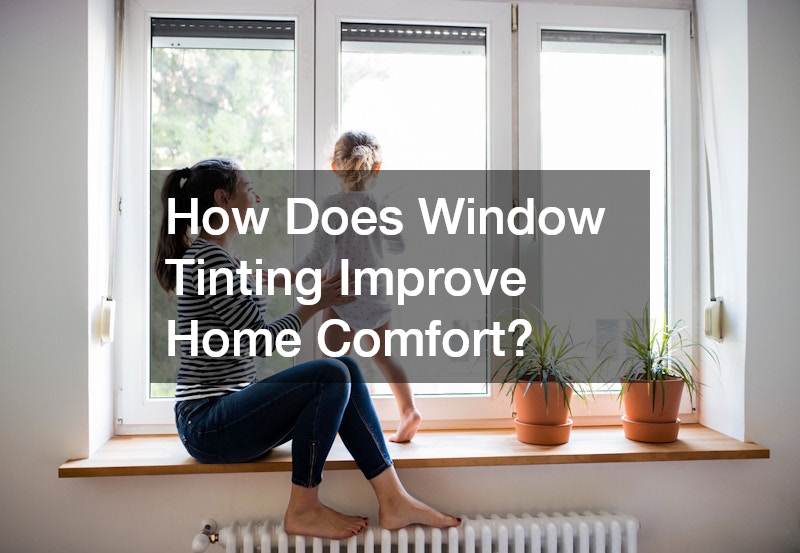
One of the primary advantages of window tinting is the significant reduction in heat that passes through the windows. During hot summer months, excessive sunlight can increase indoor temperatures, leading to uncomfortable living conditions and increased reliance on air conditioning. With window tinting, up to 78% of the sun’s heat can be blocked, keeping homes cooler and more habitable.
The tinting does not only provide temperature and glare control, but it also works to eliminate the damaging effects of ultraviolet rays. Approximately 99% of UV rays, which can cause skin problems and fade home furnishings, are blocked by window film. This protective measure ensures both personal well-being and the longevity of household interiors.
3. How Does Window Tinting Affect Energy Efficiency?
Window tinting significantly contributes to the energy efficiency of a home by reducing the need for air conditioning and heating. It achieves this by minimizing heat entering the home in the summer and retaining warmth during winter. In doing so, window tinting helps to lower utility bills, offering fiscal savings that compound over time.
The continuous advancement in window film technology has significantly improved its efficiency. Modern films are designed not just for temperature control, but also to optimize natural lighting, reducing the need for artificial light during the daytime. This multifaceted approach to energy savings positions window tinting as a sustainable home upgrade for the future.
4. Can Window Tinting Add to Home Aesthetics?
Window tinting can enhance the architectural appeal of a home by giving windows a sleek and uniform appearance. With various shades and styles available, homeowners can choose films that complement their home’s exterior and interior design. This versatility allows window tinting to be customized to suit individual aesthetic preferences.
In addition to style, window tinting provides privacy without sacrificing natural light. Tinted windows create a one-way view, allowing residents to see outside while obscuring the view from outside in. This feature adds a layer of security and peace of mind, paired with a sophisticated visual appeal.
Furthermore, high-quality window films resist fading and retain their appearance over time, ensuring that the aesthetic upgrade remains consistent. This durability means that investing in window tinting not only improves the look of a home but also boosts its market value. Ultimately, it is a valuable investment into both form and function.
5. What Are the Maintenance and Longevity Considerations?
One of the key benefits of window tinting is its low maintenance requirements. Once installed, the film requires minimal attention to retain its functionality and appearance. Regular cleaning with mild soap and a non-abrasive cloth keeps it looking new without compromising its effectiveness.
Longevity is another strong point for window tinting, with many films lasting up to 20 years under normal conditions. The materials used in high-quality window films are designed to withstand varying weather elements, preventing issues such as bubbling, cracking, or peeling. This durability makes window tinting a cost-effective and enduring enhancement for any home.
Moreover, the selection of professional installation services further ensures that the film will perform optimally over its lifetime. Expert installers account for window type, film compatibility, and proper application, allowing homeowners to enjoy the full benefits of their investment. Overall, window tinting offers sustained protection and performance with minimal upkeep.
Window tinting emerges as a multifaceted solution that enhances various aspects of home living. Its ability to improve home comfort, bolster energy efficiency, elevate aesthetics, and provide long-lasting benefits makes it an attractive and viable option for homeowners. As energy conservation becomes increasingly crucial, window tinting serves as a smart home improvement choice that aligns comfort with sustainability.