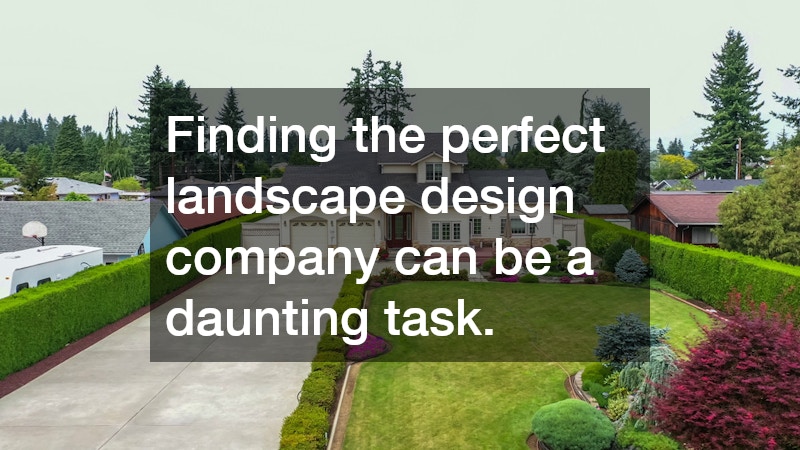
Finding the perfect landscape design company can be a daunting task. With numerous companies offering a variety of services, it’s important to choose one that aligns with your vision and budget. This article will guide you through crucial considerations when selecting a landscape design company.
What qualifications should a landscape design company have?
Professional Certifications and Licenses
One of the first things to verify when selecting a landscape design company is their certifications and licenses. Professional credentials not only showcase expertise but also ensure compliance with state laws.
Different states require specific licenses for landscaping work, and a qualified company will possess these necessary documents. This provides peace of mind knowing that the company adheres to legal standards and industry practices.
Furthermore, certifications indicate that the company has undergone training and evaluations, boosting their credibility and your project’s potential success. Prioritizing these credentials can protect you from legal issues and assure quality work.
Portfolio of Previous Work
Reviewing a company’s portfolio is crucial in assessing their capability and style. A comprehensive portfolio exhibits their range of skills and showcases completed projects.
By examining their previous work, clients can determine if the company’s aesthetic aligns with their vision. It’s a great way to visualize how a particular design approach has been implemented in actual landscapes.
The portfolio will also help you gauge their expertise in specific areas such as sustainability or innovative design. Make sure to ask questions about past projects, which can provide deeper insights into their scope and limitations.
How do I assess the company’s experience and reputation?
Years in Business
Longevity in the landscape design industry often indicates stability and reliability. When a company has been in business for many years, it suggests that they have continuously earned clients’ trust.
Besides signaling trustworthiness, a longer standing company is more likely to have faced various challenges, refining its problem-solving skills. This experience can be instrumental in anticipating and overcoming potential issues with your project.
However, the number of years should be considered alongside other factors such as technological adaptation and modern design sensibilities. Balance is key; the ability to stay current while drawing from extensive experience can set a company apart.
Customer Reviews and Testimonials
Client reviews and testimonials are windows into a company’s reputation. Positive feedback is typically a good indicator of reliable service and customer satisfaction.
Online reviews can provide a diverse array of opinions, while testimonials from previous clients offer detailed insights. They often highlight specific strengths of the company, from customer service to execution.
However, it is essential to approach reviews with a critical eye, particularly when there are overwhelmingly negative or suspiciously glowing reports. Look for common themes in the feedback to gain a balanced perspective.
What should I consider in terms of design and planning processes?
Initial Consultation and Idea Exchange
A thorough initial consultation lays the foundation for a successful landscape design project. During this phase, clear communication and idea exchange are paramount.
Evaluate how well the company listens to your vision and incorporates your preferences into the planning. The ability to translate client ideas into feasible designs is a key component of a professional team.
This stage is also an opportunity to assess the designers’ creativity and their ability to innovate within constraints. The collaboration in this phase sets the tone for the rest of the project.
Project Management and Communication
Effective project management ensures timely and on-budget completion of the landscape project. Inquire about the company’s methodologies and tools used for managing the project timeline and resources. Consider whether they utilize industry-standard software and tracking systems to optimize efficiency.
Consistent communication throughout the project can prevent misunderstandings and facilitate adjustments as needed. As a client, being informed about project stages promotes trust and transparency, fostering a reliable partnership and fostering collaborative efforts at every stage.
A company that provides comprehensive documentation and regular updates enhances the project experience. Open channels for feedback during the execution phase can profoundly improve the outcome and satisfaction. Having frequent meetings scheduled ensures clients’ concerns are promptly addressed.
Choosing the right landscape design company involves careful consideration of their qualifications, experience, and design approach. Taking the time to research and evaluate these aspects will help ensure that your landscaping project is a successful and satisfying experience.