
Keeping your home in excellent condition requires consistent maintenance, attention to small problems, and a willingness to invest in necessary repairs. From inspecting the roof and maintaining plumbing to caring for the landscape, every part of your property contributes to its long-term condition.
Regular upkeep helps protect your investment, reduce unexpected expenses, and maintain a comfortable living environment. By following a maintenance schedule, addressing issues promptly, and knowing when to hire professionals, you can preserve your home’s appearance and functionality for years to come.
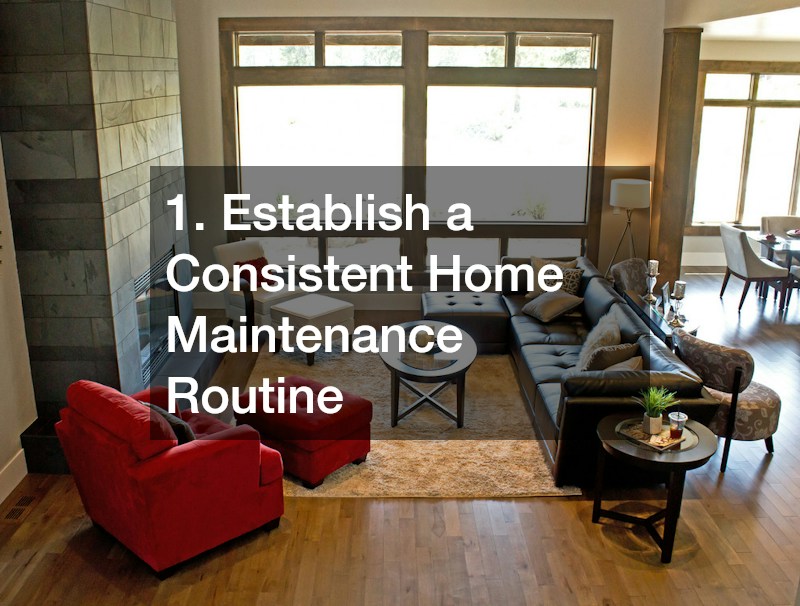
1. Establish a Consistent Home Maintenance Routine
A regular maintenance schedule makes homeownership more manageable and helps prevent small problems from becoming expensive repairs.
Create a Seasonal Checklist
Different seasons bring different maintenance needs. In spring, inspect the exterior for winter damage, clean gutters, and prepare the landscaping. During summer, focus on exterior painting, deck repairs, and other outdoor projects.
In fall, clear leaves from gutters, check weatherstripping, and prepare plumbing for freezing temperatures. During winter, monitor indoor humidity, inspect exposed pipes, and check for drafts.
Breaking these tasks into seasonal checklists helps you stay organized without tackling everything at once.
Keep Records and Address Problems Early
Maintain a record of repairs, inspections, warranties, and equipment servicing. These details help you track recurring issues and determine when components may need replacement.
Inspect your home monthly for dripping faucets, ceiling stains, unusual odors, damaged seals, and cracks. Addressing these warning signs early can prevent more extensive damage and reduce repair costs.
It also helps to divide maintenance responsibilities into weekly, monthly, and annual tasks. Weekly chores might include checking for leaks and keeping entryways clean, while monthly tasks could involve inspecting filters and testing safety alarms. Annual responsibilities may include professional inspections of major systems. A written schedule makes it easier to remember less frequent tasks and prevents important maintenance from being overlooked.
2. Protect the Roof, Foundation, and Exterior
Your home’s exterior protects its structure from rain, wind, temperature changes, and pests. Regular inspections help identify vulnerabilities before they cause significant damage.
Inspect the Roof and Gutters
Look for missing shingles, damaged flashing, and debris accumulating on the roof. Inside, check ceilings and attic spaces for water stains or moisture.
Clean gutters regularly so rainwater can flow freely through downspouts and away from the foundation. Sagging gutters, loose fasteners, and overflowing sections may require repairs.
For safety, leave inspections of steep or damaged roofs to qualified professionals.
Prevent Foundation and Water Damage
Check the ground around your home to confirm that it slopes away from the foundation. Standing water, damp basement walls, and persistent musty odors may indicate drainage problems or moisture intrusion.
A basement waterproofing company can investigate recurring basement leaks and recommend solutions such as drainage improvements or foundation crack repairs.
Addressing water intrusion promptly helps protect structural materials, stored belongings, and interior finishes.
Maintain Siding, Windows, and Doors
Inspect siding for loose panels, peeling paint, and damaged sections. Check the caulking around windows and doors, replacing deteriorated seals to reduce drafts and water entry.
Pay attention to condensation between window panes, damaged weatherstripping, and doors that no longer close properly. Routine repairs help maintain indoor comfort and protect your home’s exterior materials.
Exterior inspections should also include the areas where utility lines, vents, and pipes enter the house. Gaps around these openings can allow moisture and pests inside. Appropriate exterior sealants can close minor gaps, while damaged siding or structural openings may require professional repairs.
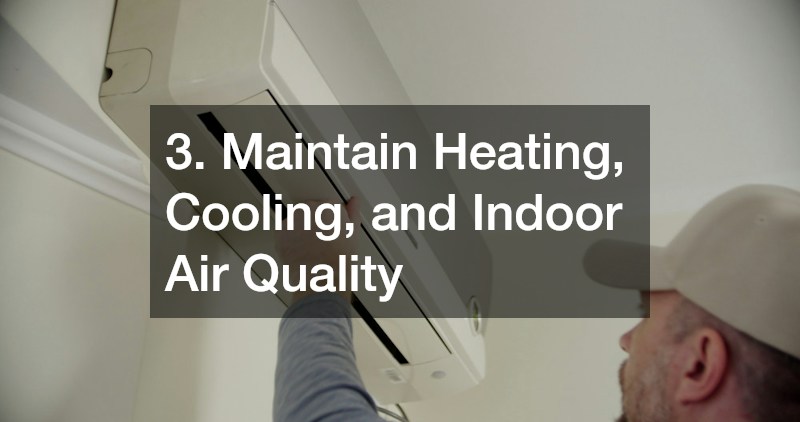
3. Maintain Heating, Cooling, and Indoor Air Quality
Heating and cooling systems require regular attention to operate reliably. Routine maintenance can improve comfort, support energy efficiency, and reduce the risk of unexpected breakdowns.
Schedule HVAC Maintenance
Replace or clean air filters according to the manufacturer’s recommendations. Check vents for obstructions and keep outdoor condenser units clear of leaves and vegetation.
Unusual noises, inconsistent temperatures, and weak airflow may indicate a problem that needs professional attention. Regular HVAC inspections can identify worn components and other issues before they lead to system failure.
Check Ductwork and Insulation
Inspect accessible ductwork for disconnected sections, visible leaks, or damaged insulation. In the attic, look for compressed insulation and gaps that may allow conditioned air to escape.
Duct cleaning may be appropriate when ducts contain substantial dust buildup, visible mold, or contamination from pests or construction.
When insulation becomes damaged by moisture, pests, or deterioration, professional insulation removal may be necessary before replacement. Improving insulation and sealing air leaks can help maintain more consistent indoor temperatures.
Control Moisture and Mold
Use exhaust fans when cooking or showering, repair plumbing leaks quickly, and investigate persistent condensation or musty smells.
When mold covers a substantial area, repeatedly returns, or results from concealed water damage, professional mold remediation may be necessary. Correcting the moisture source is essential to preventing further growth.
For households that rely on oil-fired heating systems, maintaining equipment and planning fuel deliveries are also important. Comparing reputable heating oil companies can help homeowners arrange deliveries and understand available service options.
4. Keep Plumbing and Electrical Systems Reliable
Plumbing and electrical problems can affect both household safety and the condition of your property. Regular checks help identify warning signs before they become emergencies.
Inspect Plumbing Fixtures and Pipes
Look beneath sinks, around toilets, and near water heaters for leaks, corrosion, or damp surfaces. Slow drains, recurring clogs, and unusual plumbing noises may indicate developing problems.
Know where your main water shutoff valve is located so you can stop the supply quickly during a plumbing emergency.
Water heaters should receive maintenance according to manufacturer recommendations. Leaks, unusual noises, corrosion, and inconsistent hot water warrant professional evaluation.
Follow Electrical Safety Practices
Check accessible outlets, switches, and cords for visible damage or signs of overheating. Flickering lights, frequently tripped breakers, buzzing sounds, and burning odors should be evaluated by a licensed electrician.
Test smoke alarms and carbon monoxide alarms according to manufacturer instructions, and avoid overloading outlets.
Homeowners who experience frequent power outages may consider whole home generators. These systems can supply electricity to selected household circuits or larger portions of a home, depending on their capacity. Proper installation requires qualified professionals and compliance with applicable codes.
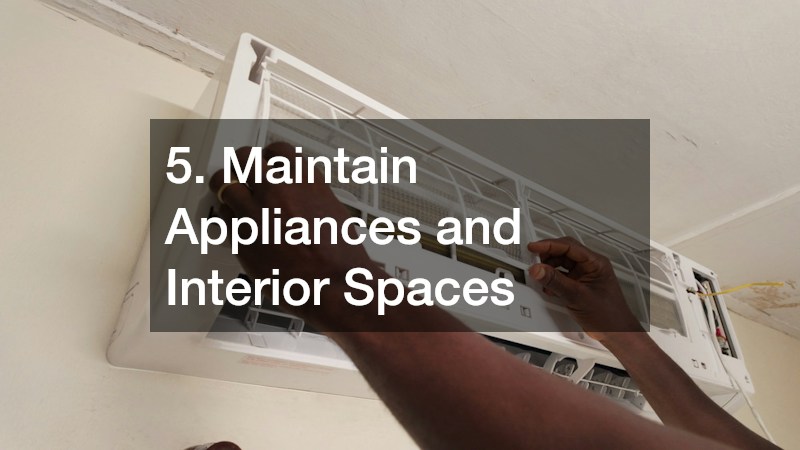
5. Maintain Appliances and Interior Spaces
Routine cleaning and maintenance help appliances operate properly while preserving the appearance of floors, walls, countertops, and other interior finishes.
Clean Appliances Regularly
Clean refrigerator coils when recommended, inspect appliance seals, and remove lint from the dryer filter after every load. Check dryer vents for lint buildup, as restricted airflow can increase fire risk.
Inspect washing machines, dishwashers, and refrigerators for leaking hoses or damaged water connections. Address puddles and unusual appliance noises instead of waiting for equipment to stop working.
Follow manufacturer instructions to determine the appropriate maintenance schedule for each appliance.
Protect Interior Finishes
Use cleaning products suitable for your flooring and countertops. Wipe up spills promptly, use furniture pads to prevent scratches, and inspect bathroom grout and caulk for deterioration.
Touch up peeling paint, tighten loose cabinet hardware, and repair minor drywall damage before it becomes more noticeable.
These simple tasks help maintain your home’s appearance without requiring extensive renovations.
Organize Storage Areas
Keep hallways, utility spaces, and exits clear of clutter. Store seasonal decorations, tools, and household supplies in appropriate containers, and avoid placing moisture-sensitive belongings directly on basement floors.
If you need new storage containers for sale, look for durable options that suit the dimensions and storage conditions of your space.
When renovations require temporarily relocating belongings, a long-distance mover may help transport household items between properties. Planning the move around repair schedules can also make it easier for contractors to access the areas they need to work on.
6. Care for Landscaping and Outdoor Structures
Maintaining your yard supports curb appeal, improves outdoor usability, and helps protect your home’s exterior.
Maintain Trees, Shrubs, and Lawns
Trim shrubs so they do not press against siding, block windows, or obstruct outdoor equipment. Remove dead branches when appropriate, and have qualified professionals assess trees that pose a risk to structures.
Water plants according to local conditions, and watch for standing water around garden beds and foundations. Poor drainage can contribute to moisture problems and damage surrounding surfaces.
For larger outdoor projects, landscape designers can help plan attractive, functional spaces with suitable plants, practical layouts, and manageable maintenance requirements.
Inspect Decks and Fences
Check decks, porches, fences, and steps for loose boards, rusted fasteners, rot, and unstable railings. Wood structures may require periodic sealing or staining to protect them from moisture.
Inspect outdoor lighting and electrical connections for visible damage, and keep grills away from combustible materials according to manufacturer instructions.
Regular maintenance helps preserve outdoor features and reduces potential safety hazards.
Keep Driveways and Walkways in Good Shape
Driveways, patios, and walkways also deserve attention during routine inspections. Look for cracks, uneven sections, loose pavers, and areas where water collects after rainfall. Small cracks may be easier to repair before water enters and contributes to further deterioration during freezing weather.
Keep paths clear of leaves, moss, and other slippery debris. Repairing uneven walking surfaces can also reduce tripping hazards for family members and visitors.
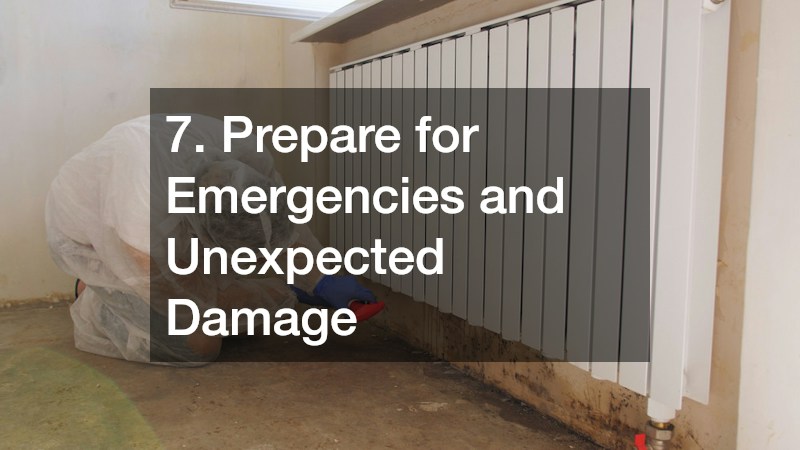
7. Prepare for Emergencies and Unexpected Damage
Even a well-maintained home can experience severe weather, plumbing failures, or other unexpected incidents. Preparation can help limit damage and protect household members.
Create an Emergency Plan
Keep insurance information, emergency contacts, appliance manuals, and maintenance records in an accessible location. Know how to shut off the water and other utilities when it is safe to do so.
Prepare basic supplies such as flashlights, batteries, drinking water, and first-aid materials. After severe weather, inspect your property from a safe location and arrange professional assessments if you suspect structural damage.
Recognize When Specialized Cleaning Is Needed
Sewage backups, certain contaminated-water incidents, and other hazardous situations may require specialized cleanup.
A qualified biohazard cleaning company can handle biological contamination and other hazardous materials that require appropriate training and protective equipment.
Avoid attempting to clean potentially dangerous substances without professional guidance. Document damage when safe, contact your insurer when appropriate, and address the source of the incident before completing restoration work.
8. Budget for Long-Term Maintenance
A realistic maintenance budget helps homeowners prepare for routine expenses and unexpected repairs.
Prioritize Essential Repairs
Set aside money for recurring costs such as HVAC servicing, gutter cleaning, landscaping, and appliance maintenance. Also plan for eventual replacements involving roofing, water heaters, and major equipment.
Prioritize repairs that threaten safety, allow water intrusion, or affect structural integrity. A leaking roof, for example, should generally take precedence over a cosmetic renovation.
Hire Qualified Professionals
Before hiring a contractor, review relevant licensing requirements, insurance coverage, references, and written estimates. Ask about the proposed work, expected timeline, and any follow-up maintenance.
Comparing the scope of work and materials can help you make informed decisions rather than choosing based solely on price.
Building relationships with reliable service providers also makes future maintenance easier, particularly when recurring issues require continued attention.
Consider reviewing your maintenance budget at least once a year. Look at completed repairs, upcoming replacements, and any new issues identified during inspections. Planning for predictable expenses can make larger projects less stressful and help you avoid postponing essential work because the cost was unexpected.
Keeping your home in excellent condition requires consistent care, timely repairs, and thoughtful planning. Regular inspections help protect the roof, foundation, plumbing, electrical systems, and outdoor spaces, while routine cleaning and maintenance preserve interior finishes and appliances. By paying attention to small issues and addressing them before they become larger problems, you can reduce unexpected expenses and protect your property’s long-term value.
Creating a manageable maintenance schedule, keeping records of completed work, and budgeting for routine upkeep can make homeownership less stressful. It is also important to recognize when professional assistance is necessary, particularly for specialized repairs, hazardous cleanup, and major home systems. Taking a proactive approach helps maintain a comfortable, functional, and safe living environment throughout the year.
Ultimately, a well-maintained home is the result of small, consistent efforts rather than occasional major projects. Review your maintenance priorities regularly, prepare for seasonal changes, and make necessary repairs a priority. With the right habits and a practical long-term plan, you can preserve your home’s appearance, improve its reliability, and enjoy your investment for years to come.