
Buying a home is one of the most monumental milestones a family can experience. The thrill of holding the keys to your new property brings an immediate sense of accomplishment, accompanied by an endless stream of dreams regarding how you will customize every room. However, before you start unpacking boxes and settling into your daily routine, there is a critical window of time between closing on the property and officially turning it into your lived-in sanctuary. Taking advantage of this unoccupied period allows you to complete essential upgrades, handle structural maintenance, and coordinate a seamless transition without tripping over furniture or disrupting your family’s daily life.
Primary Systems and Structural Upgrades

Assessing and Strengthening Your Overhead Protection
One of the very first areas to inspect upon purchasing a home is the overhead structure. Even if the pre-purchase inspection report gave the overall property a passing grade, giving special attention to the overhead exterior is crucial before bringing in your belongings. Age, severe weather, and minor thermal expansion can create subtle vulnerabilities that allow moisture to infiltrate the interior structure, leading to costly damage down the road. Addressing minor issues before you move in guarantees that your family and possessions remain safe from the elements.
When inspecting the top structure, look closely at missing shingles, damaged flashing, and areas where sealants may have degraded. Promptly arranging for roof repair prevents small leaks from compromising your insulation or creating structural rot inside your ceiling framing. Furthermore, ensuring that all gutter systems are clear and discharging water well away from your foundation will prevent erosion and subterranean moisture accumulation. Completing these exterior repairs first creates a secure, dry environment for all subsequent interior work.
Climate Control Optimization and Air Quality Improvement
Your heating and cooling systems represent the thermal heart of your home, keeping your family comfortable through boiling summers and freezing winters. Running an outdated or poorly maintained climate control unit not only leads to astronomical utility bills, but it can also compromise the indoor air quality of your living environment. Before your family moves into the space, you should have the full mechanical setup tested, calibrated, and thoroughly cleaned to ensure optimum operation.
Scheduling professional HVAC services enables you to address deferred maintenance, clean dirty coils, and replace clogged filtration systems before your family breathes in dust and leftover debris from previous occupants. If the existing system is approaching the end of its typical lifespan, upgrading to a high-efficiency model or integrating a smart thermostat can drastically reduce ongoing energy expenses. Clean, balanced climate control makes your home instantly more inviting from the very second you step through the front door with your first load of boxes.
Updating Fenestration and Window Efficiency
Windows serve as the visual gateways to your surrounding neighborhood, but they are also significant factors in your home’s thermal boundary and structural security. Broken seals, cracked panes, or outdated single-pane glass allow conditioned air to escape while permitting humidity and drafts to infiltrate your living spaces. Upgrading your windows prior to moving in improves interior light, lowers monthly energy costs, and immediately elevates your home’s exterior curb appeal.
Replacing damaged or inefficient window units is a straightforward home improvement project with high long-term yields. Booking a timely glass replacement ensures that all visual surfaces are structurally sound, energy-efficient, and capable of dampening outside noise from traffic or nearby neighbors. Modern double-pane or low-emissivity glass options maintain stable indoor temperatures year-round while offering extra UV protection for your flooring, curtains, and fine furniture.
Enhancing Outdoor Spaces and Hardscaping

Defining Boundaries with Exterior Masonry and Stone
The exterior of your property sets the design tone for the entire lot and creates functional areas for family gatherings, gardening, and outdoor recreation. Incorporating durable stone, brick, or stone veneer elements instantly enhances the property’s structural character while adding long-lasting value to your landscape design. Whether repairing an aging retaining wall or building a custom outdoor fireplace, exterior masonry work is far easier to complete before kids and pets begin running around the yard.
Partnering with experts who offer local masonry services allows you to repair existing brickwork, restore deteriorating mortar joints, or construct brand-new features tailored to your lifestyle. Solid stone steps, robust accent walls, and custom stone walkways eliminate tripping hazards while providing a timeless aesthetic. Completing these exterior structural installations early prevents construction dust and heavy foot traffic from disrupting your outdoor living experience once you are settled in.
Durable Flatwork for Driveways, Walkways, and Patios
Ground-level hardscaping endures constant impact from vehicle traffic, severe weather, and heavy foot traffic. Cracked driveways, uneven walkways, and crumbling patio surfaces are not only visual eyesores, but they can also create severe trip hazards for young children and elderly family members. Upgrading your exterior flatwork creates smooth, clean surfaces for parking vehicles, pushing strollers, and hosting weekend outdoor cookouts.
Consulting with professional concrete contractors will help you evaluate whether your existing flatwork can be resurfaced or if a complete replacement is necessary. Modern stamped, stained, or broom-finished surfaces offer incredible durability while resisting weather-induced degradation. Pouring fresh flatwork before move-in day guarantees that your driveway is fully cured, smooth, and completely ready to support heavy delivery vehicles, moving equipment, and daily family traffic.
Protecting Your Recreation Spaces and Swimming Areas
If your new home features an outdoor swimming pool or a spacious patio area, preserving these spaces from environmental debris and pests is a major priority. Swimming pools require regular care, and keeping falling leaves, twigs, and summer insects out of the water drastically reduces maintenance overhead. Protective exterior structures create a safe, controlled environment where your family can relax without dealing with unwanted bugs or constant cleaning.
Installing high-quality pool screen enclosures forms an effective barrier that shields your outdoor recreational space from severe winds, leaves, and flying pests. These structural screens also diffuse intense direct sunlight, reducing UV exposure during peak summer afternoons and keeping outdoor surfaces cooler underfoot. Equipping your pool area with an enclosure upfront ensures that your family can enjoy outdoor leisure time from day one without worrying about constant maintenance.
Mastering the Moving Logistics

Choosing Between Distance Options and Transport Needs
Once your home upgrades are underway, your attention must pivot to the physical logistics of transporting your family’s life from your old address to the new property. The distance between your current residence and your new destination dictates the exact strategy, timeline, and resources required for a smooth transition. Assessing your timeline, budget, and the sheer volume of household goods will dictate the best approach for moving day.
If you are transitioning to a distant city or moving across state lines, hiring a specialized long distance moving service is the safest way to ensure your possessions travel securely across state borders. These long-haul professionals utilize specialized packing materials, freight logistics, and air-ride transport vehicles designed to keep delicate items intact over hundreds of miles. Arranging these interstate logistics well in advance eliminates last-minute scheduling panics and ensures your belongings arrive right on schedule.
Navigating Complex Interstate Relocations
Moving across state lines introduces additional administrative and logistical steps compared to short-distance residential moves. Interstate relocations often require coordinating specific delivery windows, managing temporary storage facilities, and adhering to strict interstate transport regulations. Careful planning ensures that your valuable furniture, electronics, and personal keepsakes transition seamlessly between regions without unexpected delays.
Executing an out of state moving strategy requires careful preparation, clear labeling, and detailed inventory documentation. You should take time to categorize every box by room, create a master inventory list, and keep essential family documents, medicines, and valuables in a personal vehicle during the trip. Working with verified interstate movers guarantees that license requirements, transit insurance, and regional regulations are fully satisfied, giving your family peace of mind throughout the long journey.
Handling Short-Distance Relocations Efficiently
For families moving within the same municipality or neighboring towns, the moving process offers greater flexibility but still demands tight organization. Short-distance moves allow for strategic schedules, enabling you to transfer delicate items or high-priority essentials ahead of the primary moving truck. However, the physical labor of loading, hauling, and unloading remains just as demanding as a cross-country trip.
Enlisting a dependable localmoving company allows your family to focus on settling into the new neighborhood while heavy lifting is handled by experienced professionals. Professional movers know how to navigate local traffic patterns, park large trucks in tight residential streets, and maneuver bulky furniture through tight doorways without scratching fresh interior paint. Delegating the heavy lifting ensures that your moving day proceeds efficiently and safely.
Selecting the Right Team for Neighborhood Transitions
When your move spans only a short distance, working with a team that knows your specific area makes a world of difference. Neighborhood specialists understand local parking permits, building management guidelines for condominium complexes, and regional weather patterns that could impact your schedule. Their familiarity with local roads ensures faster transit times between your old home and your new sanctuary.
Hiring skilled local movers gives you access to flexible scheduling, customized packing assistance, and specialized equipment for heavy items like pianos or large safes. These regional experts can complete short-distance trips rapidly, often allowing you to clear out your old residence and unpack your key living areas all within a single day. Their localized experience takes the physical burden off your family, allowing you to celebrate your new home instead of nursing sore muscles.
Interior Preparation and Family Settlement
Pre-Move Cleaning and Interior Painting
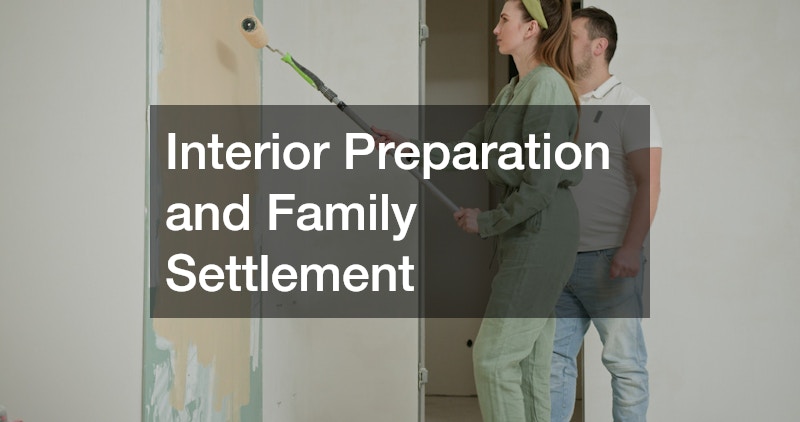
Before furniture, area rugs, and decorative items fill your new rooms, take complete advantage of the vacant space by giving every room a deep, comprehensive cleaning. Vacuuming, sanitizing, and steaming bare floors removes dust, allergens, and pet dander left behind by previous occupants. Cleaning deep inside kitchen cabinets, bathroom vanities, and closet shelving ensures that your personal belongings are placed onto pristine surfaces.
Applying a fresh coat of low-VOC paint to interior walls is another task best completed before moving day. Painting empty rooms eliminates the need to shift heavy furniture back and forth or worry about accidental paint splatters on your couch. Neutral, warm wall colors instantly brighten the interior space, eliminate lingering odors, and allow you to personalize the aesthetic of your home before your family moves in.
Establishing Essential Utilities and Connectivity
Nothing dampens the excitement of move-in day faster than arriving at a dark house with no running water or heating. Several weeks before your scheduled move-in date, contact municipal utility providers to schedule the transfer or activation of essential services, including electricity, natural gas, water, and trash collection. Confirming that these services are fully active prior to moving day ensures that your work crews and moving teams have light, power, and climate control while working inside.
In addition to traditional utilities, setting up high-speed internet, smart home security devices, and media services before you move in minimizes disruption for remote work or school needs. Pre-wiring home networks or installing wireless routers allows your family to stay connected from the moment you step through the door. Having your security system active right away also protects your newly installed upgrades and unpacked belongings from day one.
Strategic Room-by-Room Unpacking
Unpacking an entire household can feel overwhelming if approached without a clear strategy. Instead of opening random boxes in every room, prioritize essential spaces that immediate family comfort relies upon. Setting up the master bedroom and children’s sleeping areas first guarantees that everyone gets a good night’s rest after a physically demanding move-in day.
- Set up beds, fresh linens, and essential nightstand items in all bedrooms first to ensure comfortable rest.
- Unpack key kitchen items, including coffee makers, essential cookware, plates, and eating utensils for daily meals.
- Stock bathrooms with clean towels, shower curtains, soap, and essential personal care toiletries.
- Organize primary family living spaces, setting up seating areas, main lighting, and basic entertainment units.
- Tackle secondary storage areas, garages, and guest bedrooms last once daily living spaces are functional.
Child and Pet Safety Considerations
Transitioning to an unfamiliar home presents unique safety challenges for young children and family pets. Unfamiliar floor plans, stairs, uninstalled appliances, and open packing boxes can create hidden hazards for curious little ones. Preparing childproofing and pet-containment measures before unpacking ensures a safe environment for your entire family.
Install safety gates at the top and bottom of staircases, secure heavy furniture pieces or bookcases to wall studs, and apply safety locks to cabinets containing cleaning chemicals or tools. For family pets, set up a quiet, enclosed room with their favorite bed, water bowl, and familiar toys during moving day to keep them secure and calm while doors are frequently open. Taking these simple safety precautions prevents accidents and allows you to focus on settling into your home.
Transforming a newly purchased property into a warm, inviting family home requires a thoughtful balance of physical upgrades and strategic moving logistics. By prioritizing essential structural repairs, upgrading major mechanical systems, and refining your outdoor hardscaping before move-in day, you create a safe, efficient, and beautiful foundation for your family’s future. Taking care of these major tasks upfront prevents future disruptions, allowing you to enjoy your new space from the moment you turn the key.