Key Takeaways
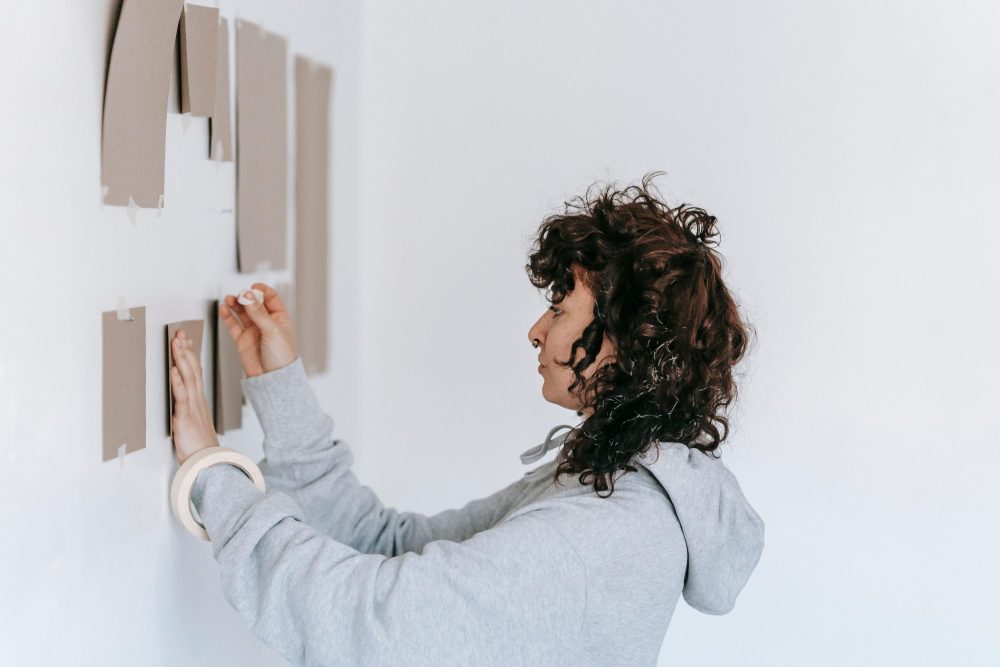
- Creating a clear design plan before decorating helps achieve a cohesive and balanced look that complements the room’s overall style.
- Artwork, mirrors, and floating shelves can instantly add personality, depth, and functionality to blank walls.
- Refreshing walls with paint, wallpaper, or decorative paneling provides an affordable way to transform the appearance of any room.
- Incorporating different textures through natural materials and decorative accents adds warmth and visual interest.
- Personal décor should be displayed thoughtfully to create meaningful focal points without making walls feel cluttered.
- Addressing wall condition and installation needs before decorating helps ensure long-lasting and polished results.
- Updating wall décor gradually allows your space to evolve while maintaining a fresh, organized, and stylish appearance.
Walls make up a large portion of every room, yet they are often one of the last elements homeowners think about when updating a space. A blank wall can make a room feel unfinished, while an overcrowded one can create visual clutter. The right wall décor strikes a balance by adding personality, texture, and interest without overwhelming the room.
Refreshing a wall is also one of the easiest ways to update your home’s appearance without taking on a full renovation. Whether you want to modernize a living room, add warmth to a bedroom, or create a welcoming entryway, thoughtful wall décor can dramatically change how the entire space feels.
The best part is that decorating a wall does not have to be expensive. Simple improvements like artwork, mirrors, shelving, paint, and decorative accents can transform a room while staying within almost any budget. With a little planning and creativity, you can create a stylish focal point that enhances your home’s overall design.
Start With a Vision for the Space
Before hanging artwork or buying decorative pieces, take a step back and consider the purpose of the room. Every decorating decision should support how the space is used. A calm bedroom may benefit from soft colors and minimal décor, while a family room might allow for more vibrant artwork and personal touches.
It is also helpful to identify the room’s existing design style. Whether your home leans toward modern, farmhouse, coastal, traditional, or transitional décor, your wall decorations should complement the furniture, flooring, and accessories already in the room. Consistency creates a polished appearance and prevents the space from feeling disconnected.
Planning ahead also helps avoid unnecessary purchases. Instead of buying individual items that may not work together, create a simple plan for colors, materials, and overall layout before decorating the wall.
Planning tips before decorating:
- Identify the room’s purpose
- Match the existing design style
- Choose a consistent color palette
- Measure the available wall space
- Decide on a focal point
Use Artwork to Create an Instant Focal Point
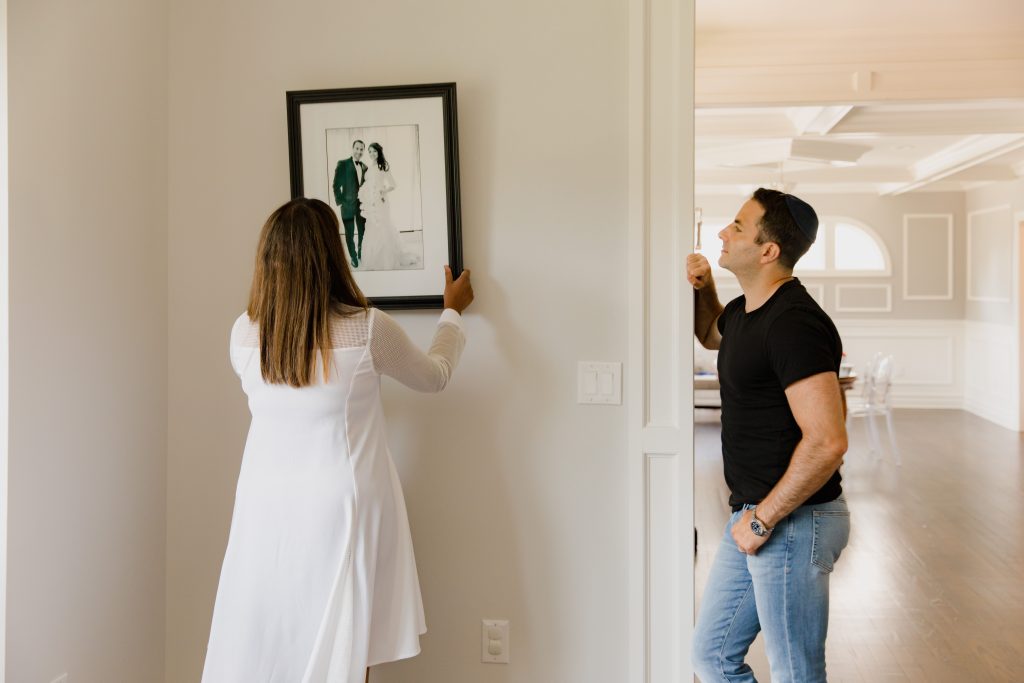
Artwork is one of the most popular ways to decorate a wall because it immediately adds personality and visual interest. A large statement piece can become the centerpiece of a room, while smaller prints arranged together can create a balanced gallery wall.
When selecting artwork, consider both size and placement. Artwork that is too small often looks out of place on a large wall, while oversized pieces can overwhelm compact spaces. A general guideline is to choose artwork that fills about two-thirds of the available wall space above furniture.
The subject matter should also reflect the mood you want to create. Landscapes, abstract art, photography, botanical prints, and family photos can all contribute to different design styles while making the room feel more personal.
Framing artwork consistently helps tie multiple pieces together and creates a cleaner overall appearance.
Artwork ideas to consider:
- Large canvas prints
- Framed photography
- Botanical illustrations
- Abstract artwork
- Family photo galleries
- Local artwork
Add Mirrors to Increase Light and Space
Mirrors serve both decorative and practical purposes. They reflect natural and artificial light, making rooms feel brighter and more spacious. This makes them especially useful in smaller rooms, narrow hallways, or spaces with limited windows.
A well-placed mirror can become a decorative feature on its own. Round mirrors create a softer look, while rectangular or geometric styles complement modern interiors. Decorative frames made from wood, metal, or woven materials add texture and visual appeal.
Placement is important. Hanging a mirror opposite a window allows it to reflect daylight throughout the room, creating a brighter and more open atmosphere. Mirrors can also highlight attractive architectural features or decorative furniture.
Because mirrors combine beauty with function, they remain one of the most versatile wall decorating options available.
Benefits of decorating with mirrors:
- Reflect natural light
- Make rooms feel larger
- Create decorative focal points
- Complement many design styles
- Add depth to small spaces
Install Floating Shelves for Style and Storage
Floating shelves provide an excellent opportunity to combine decoration with functionality. They create display space for decorative accessories while adding storage in areas where floor space is limited.
Instead of filling shelves with numerous small objects, focus on a carefully curated arrangement. Mixing books, plants, framed photographs, candles, and decorative bowls creates visual interest while maintaining a clean appearance. Leaving some empty space between objects prevents the shelves from looking cluttered.
Floating shelves also make it easy to update seasonal décor without making permanent changes to the room. Swapping accessories throughout the year keeps the space feeling fresh and personalized.
When installed properly, shelves can become one of the room’s most attractive design features.
Items that work well on floating shelves:
- Books
- Plants
- Framed photos
- Candles
- Decorative baskets
- Small sculptures
Refresh Walls With Paint, Wallpaper, or Paneling
Sometimes the wall itself needs an update before decorative accessories are added. Fresh paint remains one of the most affordable ways to transform a room. A new color can brighten the space, create warmth, or establish a completely different design style.
Wallpaper has also become increasingly popular, especially for accent walls. Modern patterns range from subtle textures to bold botanical designs, making it easy to find an option that complements your décor. Peel-and-stick wallpaper offers flexibility for homeowners who enjoy changing styles more frequently.
Wall paneling is another design trend that adds depth and architectural interest. Shiplap, board-and-batten, beadboard, and decorative molding can make ordinary walls feel more custom without requiring extensive remodeling.
These larger updates provide a beautiful backdrop for artwork and accessories.
Wall finishes that create visual interest:
- Fresh paint
- Accent walls
- Peel-and-stick wallpaper
- Board-and-batten
- Shiplap
- Decorative molding
Bring Texture Into the Room
Texture is often overlooked in wall decorating, yet it plays a major role in creating warm and inviting interiors. Rooms that combine different materials feel more layered and professionally designed than spaces with only flat surfaces.
Woven baskets, wooden wall art, macramé hangings, metal sculptures, and fabric panels all introduce texture while adding visual variety. These materials also help soften rooms dominated by smooth finishes like drywall, glass, or tile.
Mixing textures creates balance without relying solely on color. Even neutral rooms become more interesting when natural materials are incorporated into the design.
Choosing textured décor that complements your furniture helps create a cohesive and comfortable atmosphere.
Ideas for adding texture:
- Woven wall baskets
- Wood wall art
- Fabric hangings
- Metal sculptures
- Decorative panels
- Natural fiber accents
Personalize Your Walls Without Creating Clutter
Wall décor should reflect the people who live in the home. Personal touches help transform a house into a welcoming and meaningful space. However, adding too many decorative items can make walls feel busy and disorganized.
Instead of displaying every photograph or souvenir, choose a few meaningful pieces that tell your story. Family portraits, travel photography, handmade artwork, or framed keepsakes often create greater impact when displayed thoughtfully.
Maintaining consistent spacing and frame styles also helps keep displays looking organized. Grouping similar items together creates a stronger visual statement than scattering them across multiple walls.
The goal is to balance personality with simplicity.
Personal décor ideas include:
- Family photographs
- Vacation memories
- Children’s artwork
- Framed certificates
- Handmade crafts
- Favorite quotes
Consider Function Before Style
Beautiful walls should also support everyday living. Decorative choices should not interfere with how the room functions. For example, shelves should be installed at practical heights, artwork should not block light switches, and heavy mirrors should always be securely mounted.
Before investing in decorative upgrades, it is also wise to address any existing maintenance issues. Understanding what home repairs should come first helps ensure that damaged drywall, water stains, cracked plaster, or structural concerns are repaired before adding new finishes or décor.
Building a solid foundation allows decorative improvements to last longer while creating a cleaner and more polished result.
Practical considerations include:
- Repair damaged walls
- Secure heavy décor properly
- Maintain access to switches and outlets
- Choose durable materials
- Prioritize safety during installation
Keep the Design Balanced Over Time
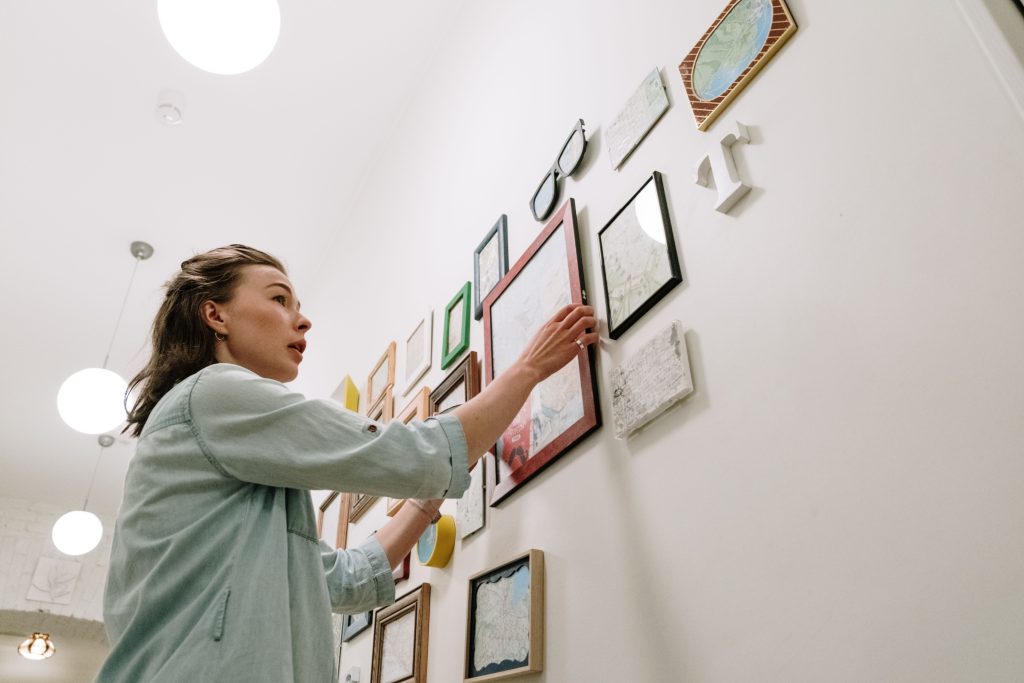
Wall decorating is rarely completed in a single day. Many of the most attractive homes develop gradually as homeowners discover pieces they genuinely enjoy. Taking time to build your wall décor often produces a more authentic and carefully curated result.
As your style evolves, do not be afraid to rearrange artwork, replace accessories, or introduce new colors. Small updates keep rooms feeling fresh without requiring a complete redesign. Seasonal decorations, updated frames, or new accent pieces can provide noticeable changes with minimal expense.
Regularly stepping back and evaluating the room as a whole helps maintain balance. If one wall begins to feel crowded, removing a few items may improve the overall appearance.
Decorating should remain flexible and enjoyable rather than feeling permanent.
Ways to keep walls looking fresh:
- Rotate artwork seasonally
- Update picture frames
- Rearrange gallery walls
- Replace worn décor
- Add new accent pieces gradually
Final Thoughts
Decorating a wall is one of the simplest ways to refresh a room without taking on an extensive renovation. Whether you choose artwork, mirrors, shelving, textured accents, or a fresh coat of paint, thoughtful wall décor can transform an ordinary space into one that feels welcoming, stylish, and complete.
The most successful wall designs begin with a clear plan and grow over time. By focusing on balance, proportion, texture, and personal style, you can create walls that enhance the entire room rather than simply filling empty space. Combining decorative elements with practical improvements also ensures that your updates remain attractive and functional for years to come.
With careful planning and a creative approach, even a single wall can become the feature that completely changes the look and feel of your home.