Introduction
Maintaining a home can feel overwhelming, especially when balancing routine upkeep, unexpected repairs, and long-term improvement projects. Homeowners often underestimate how much effort, expertise, and planning are needed to keep a property safe, efficient, and visually appealing. From HVAC systems and structural maintenance to renovations and seasonal cleaning, there is a wide range of services that can simplify homeownership while enhancing comfort, functionality, and value.
Understanding the scope of these services and knowing when to engage professionals allows homeowners to avoid costly mistakes, extend the life of their property, and improve overall satisfaction. In addition, leveraging expert guidance can help prioritize projects, allocate budgets wisely, and ensure that upgrades align with both current needs and future goals. By approaching home maintenance strategically, homeowners can create a living environment that is safe, energy-efficient, and tailored to their lifestyle. This guide offers a comprehensive overview of essential home services, providing actionable tips, best practices, and professional recommendations for every aspect of maintenance, repair, and renovation.
Keeping Your Home Comfortable Year-Round
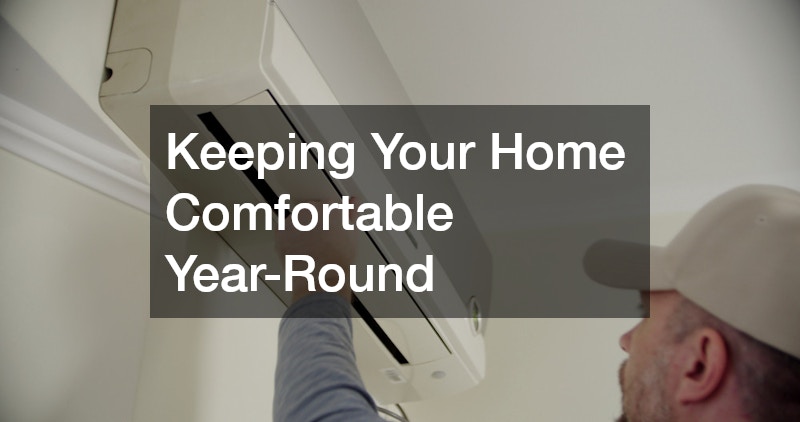
Maintaining a comfortable indoor environment is vital for health, productivity, and overall enjoyment. Temperature fluctuations, humidity issues, and poor air quality can create discomfort and even contribute to long-term structural problems if systems are not properly maintained.
Key Strategies
-
Assess your HVAC system’s efficiency, checking for unusual noises, inconsistent airflow, or rising energy bills.
-
Schedule professional ac installation or replacement if your system is outdated, inefficient, or frequently malfunctioning.
-
Engage an air duct cleaning and repair contractor to remove dust, allergens, and microbial buildup from ventilation systems.
-
Ensure regular filter changes and seasonal inspections to maintain indoor air quality and prevent mechanical breakdowns.
-
Consider adding programmable thermostats or zoning systems to optimize comfort and reduce energy usage.
-
Inspect and clean outdoor units to prevent debris buildup that can impede performance and lifespan.
By proactively maintaining your climate control systems and engaging professionals for installation or repairs, homeowners can enjoy consistent indoor comfort while minimizing energy costs.
Maintaining a Safe and Durable Exterior
The exterior of a home serves as the first line of defense against weather, pests, and structural deterioration. Protecting siding, roofing, and gutters helps prevent water damage, insulation loss, and costly repairs down the line. Regular inspections and timely interventions are key to extending the life of these components.
Key Strategies
-
Conduct a seasonal inspection of siding and roofing to identify cracks, warping, or missing shingles.
-
Repair or replace damaged sections promptly to prevent leaks and structural issues.
-
Hire a siding company to professionally install or repair exterior panels, ensuring weatherproofing and proper insulation.
-
Schedule roofing repair services for leaks, storm damage, or general wear and tear.
-
Clean gutters and downspouts regularly, or schedule professional gutter repairs, to prevent water overflow and foundation damage.
-
Check for signs of mold or water infiltration along exterior walls and rooflines.
Investing in the maintenance and repair of exterior systems protects the home, enhances curb appeal, and improves energy efficiency.
Enhancing Indoor Air Quality and Cleanliness
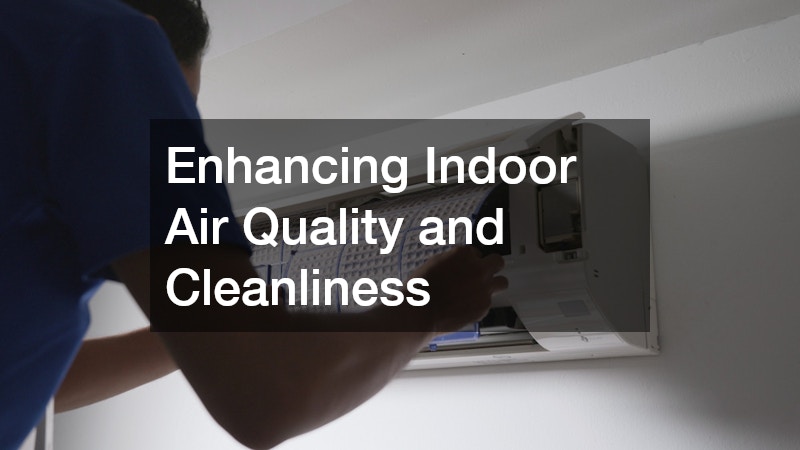
Indoor air quality and cleanliness are often overlooked but are essential for health and comfort. Dust, allergens, and mold can accumulate in air ducts, carpets, and other hidden areas, potentially affecting respiratory health and overall hygiene.
Key Strategies
-
Hire an air duct cleaning and repair contractor to remove accumulated dust and contaminants from ventilation systems.
-
Schedule routine cleaning with a professional home cleaner to maintain surfaces, floors, and high-touch areas.
-
Deep clean carpets, drapes, and upholstery to reduce allergens and improve indoor air quality.
-
Use non-toxic cleaning products to minimize chemical exposure while maintaining a sanitary environment.
-
Implement a maintenance schedule for HVAC filters and humidifiers to prevent bacterial or mold growth.
Consistent attention to indoor cleaning and air quality ensures a healthier living environment and prolongs the lifespan of ventilation systems.
Maintaining Hard-to-Reach and Hidden Spaces
Crawlspaces, attics, and other hidden areas often harbor moisture, pests, and structural issues that can escalate if left unchecked. Regular maintenance and inspection of these spaces are critical for home safety and durability.
Key Strategies
-
Schedule crawlspace maintenance to prevent mold, moisture damage, and pest infestations.
-
Ensure proper insulation and ventilation in crawlspaces to protect flooring, structural beams, and HVAC components.
-
Inspect these areas periodically for leaks, foundation cracks, or rodent activity.
-
Hire professional contractors for gutter repairs, ensuring proper drainage to keep crawlspaces dry.
-
Address any water pooling or dampness immediately to prevent long-term damage to structural components.
By keeping hidden spaces clean and dry, homeowners can avoid costly structural repairs and maintain a safe, healthy home environment.
Planning and Executing Renovation Projects

Renovations enhance both the functionality and aesthetic appeal of a home. Proper planning and professional guidance are essential for ensuring that projects meet expectations, comply with building codes, and maximize return on investment.
Key Strategies
-
Conduct a thorough assessment of the space to determine renovation goals and constraints.
-
Engage a remodeling contractor to develop detailed project plans, including budgets, timelines, and design concepts.
-
Prioritize renovations that improve daily living, such as kitchen renovation, bathroom updates, or open-concept layouts.
-
Obtain permits and ensure all work meets local building codes.
-
Coordinate with multiple tradespeople, including electricians, plumbers, and carpenters, for integrated project execution.
-
Monitor project progress, ensuring that work quality meets expectations and stays within budget.
Effective planning and collaboration with professionals reduce stress, minimize errors, and deliver lasting results.
Boosting Home Value Through Strategic Upgrades
Homeowners can increase property value through strategic improvements and well-planned renovations. Choosing upgrades with high return on investment ensures that projects provide both functional benefits and market appeal. Beyond basic upgrades, focusing on modern design trends, energy efficiency, and quality materials can make a property more attractive to buyers and appraisers alike.
Key Strategies
-
Obtain home appraisal services to identify areas that will improve property value. Professional appraisers can pinpoint features that add the most value in your neighborhood and provide guidance on high-impact improvements.
-
Focus on high-impact renovations, such as kitchen or bathroom upgrades, flooring improvements, or exterior enhancements. Upgraded appliances, modern cabinetry, and durable countertops in kitchens, or spa-like features in bathrooms, significantly increase appeal.
-
Consider energy-efficient upgrades, such as improved insulation, new siding, or HVAC improvements, which appeal to buyers. Energy savings are increasingly attractive, and homes with modern systems often appraise higher.
-
Implement landscaping, patio, or deck improvements to enhance curb appeal and outdoor living space. Simple additions like flower beds, stone pathways, or a well-constructed deck can create a strong first impression and expand functional space.
-
Maintain documentation of improvements and upgrades to support property valuation. Detailed records, receipts, and before-and-after photos help appraisers quantify improvements and justify higher valuations.
-
Explore multi-functional upgrades, such as finished basements, attic renovations, or mudrooms. These spaces provide added usable square footage, which can significantly affect resale value.
-
Invest in quality finishes and materials that stand the test of time. Buyers are more likely to value solid wood cabinets, stone countertops, hardwood floors, and modern fixtures over lower-cost alternatives.
-
Coordinate upgrades with current market trends. For instance, open-concept layouts, smart home features, and energy-efficient appliances are in high demand and often lead to higher appraisals.
Combining professional advice with data from appraisals allows homeowners to prioritize projects that deliver measurable returns while aligning with personal tastes and lifestyle needs.
Ensuring Long-Term Energy Efficiency
Energy efficiency not only reduces utility costs but also improves comfort and environmental sustainability. Homes that incorporate energy-efficient systems often require less maintenance over time and maintain better resale value. Integrating efficiency measures into maintenance and renovation projects maximizes benefits for both current occupants and future owners.
Key Strategies
-
Upgrade HVAC systems with modern, high-efficiency units and consider AC installation for optimal cooling. A well-maintained system improves air circulation and can lower energy bills by as much as 20–30%.
-
Improve insulation and seal ductwork through air duct cleaning and repair contractor services. Proper insulation prevents heat loss in winter and keeps cooling costs down in summer.
-
Replace old siding with insulated panels to reduce heat loss and prevent moisture infiltration. New siding not only improves thermal performance but also enhances the aesthetic appeal of the home.
-
Install energy-efficient windows and doors to complement existing insulation improvements. Double or triple-pane windows with low-emissivity coatings can drastically improve energy efficiency.
-
Implement smart thermostats and programmable systems to optimize energy usage throughout the home. Automation allows precise control over heating and cooling schedules, avoiding unnecessary energy consumption.
-
Consider water-saving appliances, low-flow fixtures, and energy-efficient lighting to further reduce environmental impact and utility expenses.
-
Regularly inspect insulation, roofing, and HVAC ducts for gaps, damage, or deterioration to maintain optimal efficiency. Preventive maintenance ensures consistent performance and protects investments.
-
Educate household members on energy-saving habits, like turning off lights when not in use, closing blinds during peak sunlight, and using ceiling fans to reduce HVAC demand.
Focusing on energy efficiency during both maintenance and renovation ensures long-term cost savings, enhanced comfort, and environmental benefits, while making your home more appealing to future buyers.
Protecting Your Home From Damage and Wear
Regular maintenance is critical to prevent damage caused by weather, wear, and aging materials. By addressing issues early, homeowners can avoid costly repairs and extend the life of key home systems. Preventive care often reduces stress, minimizes emergency repair costs, and enhances the overall safety and durability of a property.
Key Strategies
-
Schedule routine inspections of roofing, siding, and gutters to detect and correct damage early. Weather events, debris, and natural wear can compromise exterior protection, leading to water intrusion and mold growth.
-
Engage professionals for timely roofing repair and gutter repairs to protect against leaks and water intrusion. Proactive repairs prevent small issues from escalating into expensive structural damage.
-
Maintain crawlspaces and other hidden areas to prevent moisture accumulation and pest infestations. Moisture management is essential for avoiding mold and maintaining the integrity of flooring and foundation systems.
-
Inspect and replace worn flooring, cabinetry, or exterior elements as needed. Timely updates prevent deterioration from spreading and enhance both functionality and aesthetics.
-
Implement preventive maintenance plans for HVAC, plumbing, and electrical systems. Seasonal checkups and minor repairs reduce the likelihood of sudden system failures.
-
Protect outdoor surfaces with sealants, weatherproof coatings, or mulch to reduce exposure to environmental damage. This includes patios, decks, retaining walls, and landscaped areas.
-
Invest in high-quality materials designed to withstand environmental stresses, such as heavy rains, sun exposure, or freeze-thaw cycles. Durable products reduce long-term replacement costs.
-
Maintain proper documentation and schedules for all maintenance activities. This helps track potential issues and proves to appraisers or buyers that the property has been cared for professionally.
Proactive maintenance protects your home from structural damage, enhances comfort, and ensures a safer, longer-lasting living environment.
Improving Comfort and Function in Daily Living Spaces
Interior upgrades can greatly improve daily living, efficiency, and the enjoyment of your home. Addressing functional and aesthetic elements ensures that spaces support your lifestyle, improve organization, and increase property value.
Key Strategies
-
Plan a kitchen renovation to enhance workflow, storage, and visual appeal. Modern layouts, durable countertops, and updated appliances can transform the space into the home’s centerpiece.
-
Update bathrooms, living areas, or home offices with functional layouts and quality finishes. Adding features like additional storage, energy-efficient lighting, or ergonomic designs enhances usability.
-
Select durable materials and surfaces to withstand daily wear and tear. Hardwood floors, ceramic tiles, and quality cabinetry reduce long-term maintenance needs and appeal to buyers.
-
Work closely with a remodeling contractor to ensure design, materials, and installation align with goals. Professional oversight ensures compliance with codes and prevents common renovation pitfalls.
-
Incorporate energy-efficient lighting, ventilation, and appliances to improve utility costs and comfort. Integrating smart home technology can further optimize lighting, climate, and security systems.
-
Utilize open-concept designs or multi-purpose rooms to enhance space efficiency. Flexibility allows the home to adapt as family needs change over time.
-
Consider soundproofing and lighting enhancements in areas such as home offices or bedrooms to improve daily comfort and productivity.
-
Add functional storage solutions like built-in shelves, pull-out drawers, or closet organizers to maintain organization without sacrificing aesthetics.
Strategic interior improvements increase usability, enhance property value, and create a more enjoyable living environment for all occupants.
Maintaining a Healthy, Clean, and Organized Home
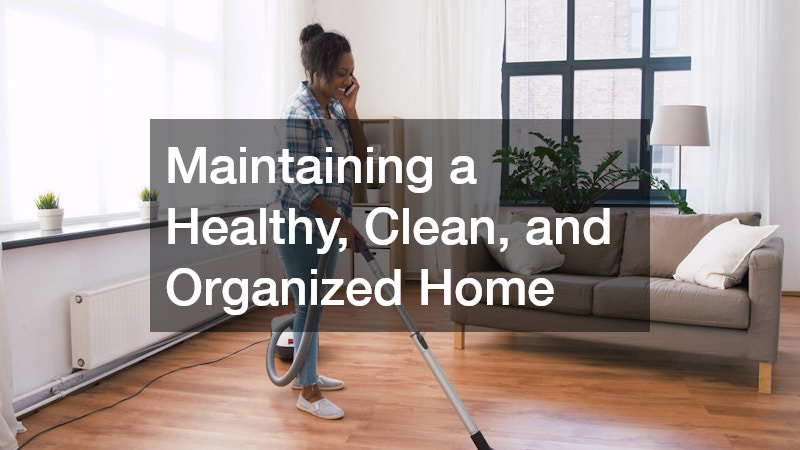
A clean and organized home contributes to overall well-being, reduces stress, and supports long-term maintenance efforts. Combining professional services with daily upkeep ensures that your property remains in top condition.
Key Strategies
-
Hire a professional home cleaner for regular deep cleaning and routine maintenance.
-
Schedule air duct cleaning and repair contractor services to maintain air quality and HVAC efficiency.
-
Inspect and maintain crawlspaces to prevent moisture and pest issues.
-
Develop a seasonal maintenance checklist to monitor roofing, siding, gutters, and other critical components.
-
Implement organizational systems for storage, tools, and seasonal equipment to prevent clutter.
Regular attention to cleanliness and organization ensures a healthier, more efficient, and visually appealing home environment.
Conclusion
Maintaining, repairing, and renovating a home requires a strategic approach, professional guidance, and consistent attention. From HVAC systems and roofing repairs to kitchen renovations, gutter maintenance, and crawlspace care, a wide range of essential services ensures comfort, safety, and long-term value.
By proactively engaging qualified professionals—including ac installation specialists, air duct cleaning and repair contractors, siding companies, roofing repair teams, home cleaners, remodeling contractors, and appraisal services—homeowners can protect their investments, improve energy efficiency, and create spaces tailored to their lifestyles. Integrating routine maintenance with strategic upgrades ensures a home remains functional, beautiful, and secure for years to come.