A custom pool deck is more than just a functional space—it can transform your backyard into a luxurious retreat, perfect for relaxation, entertainment, and enhancing your home’s value. However, building a pool deck is a significant investment that requires careful planning and attention to detail. From selecting the right materials to ensuring safety and integrating comfort, each decision plays a crucial role in creating a durable, stylish, and practical space.
This guide outlines essential considerations to help homeowners design and build a pool deck that meets both aesthetic and functional goals.
What Materials Are Best for a Pool Deck?
The first step in designing a pool deck is choosing materials that are long-lasting and easy to maintain. Concrete is a popular option due to its durability, versatility, and resistance to weathering. Natural stone offers a premium, timeless appearance and can withstand heavy foot traffic, though it may require periodic sealing. Composite decking combines wood-like aesthetics with low-maintenance performance, resisting moisture, decay, and pests. Considering durability and ease of upkeep ensures that your pool deck remains safe and attractive for years without demanding excessive maintenance.
Material choice also influences the visual impact of your pool deck. Light-colored concrete or natural stone can make a pool area appear larger and cooler, while darker wood or composite tones create a cozy, inviting atmosphere. Patterns, textures, and finishes further enhance the deck’s appearance, allowing homeowners to match the deck to the style of their home and surrounding landscape. Selecting materials that balance beauty with practicality helps establish a cohesive and visually pleasing poolside environment.
Budget considerations are equally important. Concrete is typically the most cost-effective option, providing durability at a relatively low price point. Natural stone offers a luxurious look but may come with higher installation and material costs. Composite decking falls between these options, offering a balance of aesthetics and moderate pricing. Evaluating the long-term costs of maintenance, repairs, and potential replacements helps homeowners make an informed, budget-conscious decision for their pool deck.
How to Ensure Safety and Compliance?
Before construction begins, it is critical to research local building codes and regulations. Many municipalities have specific requirements for pool decks, including setback distances, load-bearing standards, and materials permitted near water. Ensuring compliance with these rules avoids costly penalties or reconstruction and guarantees that your pool deck is safe for family and guests.
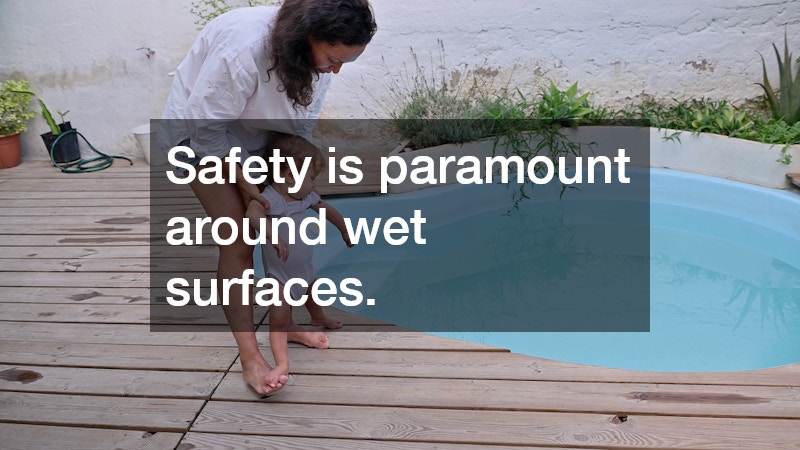
Safety is paramount around wet surfaces. Incorporating slip-resistant materials or textured finishes can prevent accidents and injuries. Pavers with textured surfaces, grooved concrete, and composite decking with anti-slip properties help reduce the risk of slips and falls. Thoughtful attention to traction is particularly important in households with children or elderly residents, providing peace of mind during pool use.
Fencing is another crucial safety feature. Many regions require a barrier around pools to prevent unsupervised access, particularly for young children. A well-designed pool deck can integrate fencing that complies with regulations without disrupting aesthetics. Self-closing gates, transparent barriers, and decorative metal or wood panels offer both safety and style, enhancing your pool area while meeting legal standards.
How to Integrate Comfort and Functionality?
A functional pool deck balances style with comfort. Strategically placed seating areas allow family and guests to relax, dine, or socialize comfortably. Consider options like built-in benches, loungers, and tables, along with umbrellas, pergolas, or retractable awnings to provide shade. Thoughtful seating arrangements maximize usability while creating a welcoming atmosphere around your pool deck.
Adequate lighting and convenient electrical access enhance the usability of your pool deck, particularly for evening gatherings. Pathway lighting, recessed deck lights, and accent fixtures improve visibility and safety, while strategically placed outlets allow for entertainment systems, poolside appliances, or holiday decorations. Planning lighting and power during the design stage avoids costly retrofits and ensures a functional, inviting outdoor space.
Complementary landscaping and decorative elements can elevate the pool deck from functional to extraordinary. Potted plants, raised garden beds, and greenery soften the hardscape, while water features or decorative stonework add visual interest. Choosing durable, weather-resistant décor ensures that the pool deck remains attractive and low-maintenance. Combining thoughtful landscaping with design features creates a cohesive, resort-like feel that enhances the overall backyard experience.
Constructing a custom pool deck is a significant investment that requires careful consideration of materials, safety, and functionality. By selecting durable and visually appealing materials, adhering to building codes, incorporating slip-resistant surfaces and fencing, and integrating comfort through seating, lighting, and landscaping, homeowners can create a poolside retreat that is both safe and enjoyable.
A well-planned pool deck not only enhances your outdoor living experience but also adds value to your home. Taking the time to consider every aspect of design and construction ensures that the finished space meets your lifestyle needs while providing a beautiful and practical setting for years to come. With thoughtful planning and expert guidance, your pool deck can become the centerpiece of your backyard oasis.